
If you have been thinking about replacing a missing tooth, you have probably already wondered what it is going to cost you. That question is one of the most common reasons people delay moving forward, and it is a completely fair one to ask. The cost of dental implants is not a simple number, and anyone who gives you a flat figure without knowing your situation is not giving you the full picture.

Dr. Anthony Nguyen at Pro Smile Dental Care sees this uncertainty regularly. Patients come in having searched online, seen a wide range of numbers, and left more confused than when they started. The goal of this guide is to walk you through what actually drives the cost of this procedure so you can make a genuinely informed decision rather than one based on guesswork.
What Are Dental Implants?
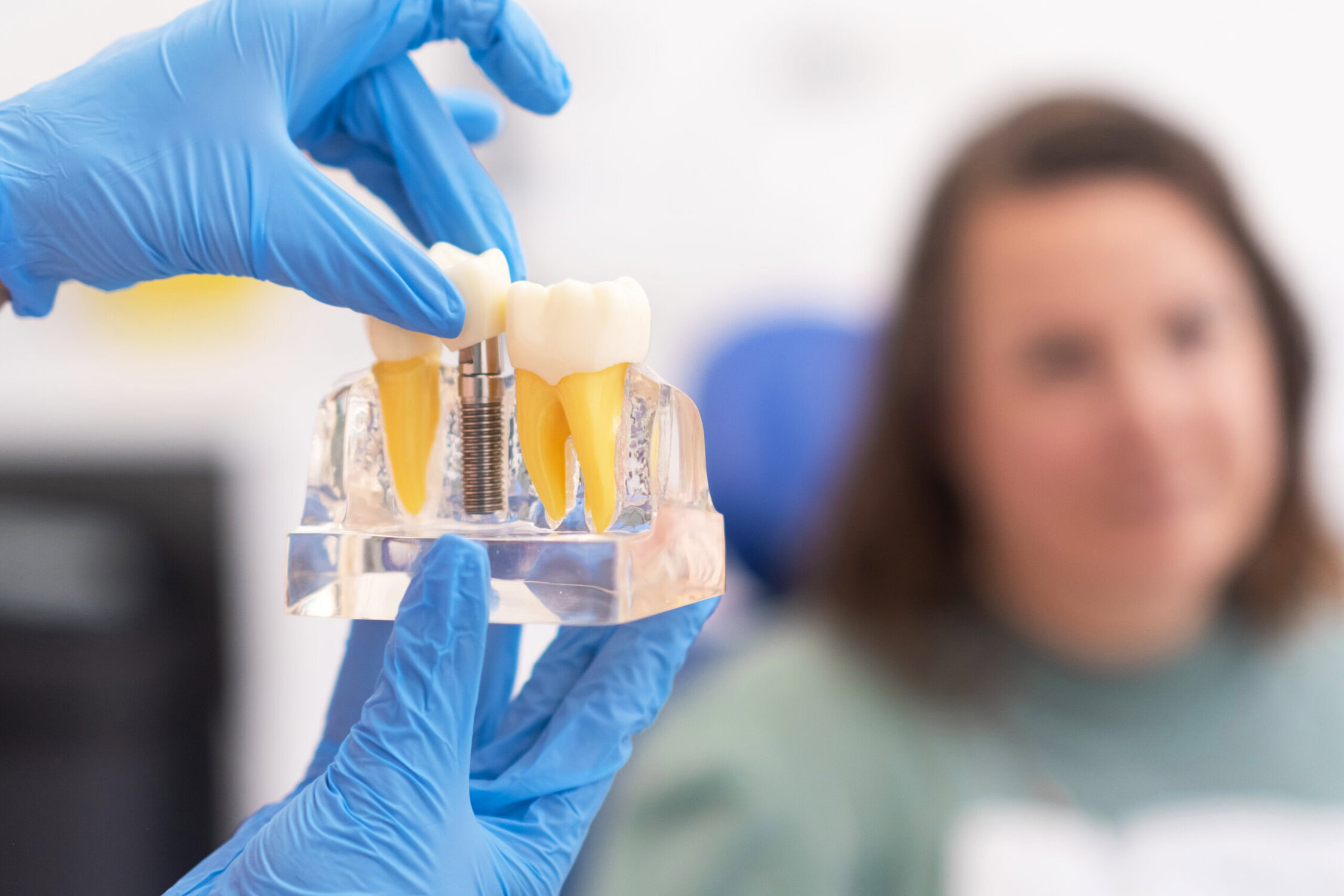
A dental implant is a permanent solution for a missing tooth. A small titanium post is placed into the jawbone and fuses with the bone over time. An abutment then connects that post to a custom crown designed to look and function exactly like your natural tooth. Unlike dentures that can slip or require ongoing maintenance, implants are fixed in place and built to last for decades with proper care.
Why Implant Costs Vary From Person to Person
One of the most important things to understand about dental implant pricing is that no two cases are identical. Several factors determine what a patient will ultimately pay, and understanding them helps set realistic expectations before your first consultation.
Jawbone Density
When a tooth is lost, the jawbone in that area begins to shrink over time. If the bone has deteriorated significantly, a bone graft before implant placement may be needed to create a stable foundation. This is an additional procedure that adds time and cost to the overall treatment. The longer a tooth has been missing, the more likely this becomes.
Number of Implants Needed
A single tooth implant procedure is the most straightforward case, involving one post, one abutment, and one crown. Replacing multiple teeth across different areas of the mouth involves multiple components and more chair time. Full arch restorations involve an entirely different level of planning and are priced accordingly.
Crown Material
The crown that sits on top of the implant can be made from different materials. Porcelain and zirconia options closely mimic the look of natural teeth and are the most commonly chosen, though the material selected will influence the overall cost.
Preparatory Procedures
Some patients require extractions before an implant can be placed. Others may need a sinus lift if the implant is going into the upper jaw where sinus proximity is a factor. These additional steps are not always necessary but when they are, they contribute to the total investment.
Experience and Technology
The training and technology a dental practice brings to implant placement matters. Practices that invest in advanced imaging and surgical planning tools can place implants with greater precision, which affects both the outcome and the pricing structure.
This is where patients considering dental implants in San Ramon benefit from a thorough in-person evaluation. The only way to get an accurate picture of what your specific treatment will involve is to have your bone health, bite, and overall oral condition assessed directly. At Pro Smile Dental Care, the team takes the time to map out a detailed treatment plan before any numbers are discussed, so there are no surprises. The dental implants cost in San Ramon depends on factors unique to each patient, which is why a one-size-fits-all estimate rarely reflects reality.
Does Insurance Help Cover Implants?
Coverage for dental implants varies widely depending on the plan. Some insurance providers cover portions of the procedure such as the crown or the extraction, while others classify implants as a cosmetic treatment and exclude them entirely. Reviewing your plan details before your consultation is always worthwhile so you know what to expect going in.
Health Savings Accounts and Flexible Spending Accounts can often be applied toward implant treatment, allowing you to use pre-tax dollars to reduce the out-of-pocket impact. Many dental practices also offer financing arrangements that allow patients to manage the cost in monthly payments rather than as a single upfront expense. Does insurance cover dental implants entirely? Rarely. But understanding what your plan does and does not include puts you in a much stronger position when planning your treatment.
Are Dental Implants Worth the Investment?
For most patients, the answer is yes. The reasons go beyond aesthetics.
When a tooth is lost and not replaced, the jawbone in that area begins to deteriorate. Neighboring teeth can shift into the gap over time, affecting your bite and creating new problems. Implants are the only tooth replacement option that stimulates the jawbone the way a natural tooth root does, which prevents this deterioration from occurring.
Bridges and dentures address the visible gap but do not address what is happening beneath the gumline. Implants do. When patients compare dental implants vs dentures cost over a 10 to 15 year period, implants often come out ahead simply because they do not require the ongoing adjustments, adhesives, and replacements that dentures typically do.
Patients often ask how long do dental implants last. With proper oral hygiene and routine checkups, the titanium post can remain stable for a lifetime. The crown may eventually show wear and need replacement, but the implant itself is built for the long term. They also carry a long-term success rate that makes them one of the most reliable procedures in modern dentistry.
The upfront investment in implants typically compares favorably over time when weighed against the ongoing costs of maintaining or replacing other tooth replacement options. Are dental implants worth it for most patients? The combination of durability, function, and bone preservation makes a compelling case.
If you’re still think if it will be all worth it, then consider reading this.
For the last 16 yrs Dr Anthony and his staff have taken great care of our dental needs with both care and professionalism. Now at 75 I was in need of dentures or full upper implants. I chose implants. From the day of extractions, the installation of implants, through the temporary teeth for perfecting bite etc., to final teeth I had zero pain. Dr. Anthony was both an engineer and an artist. I am so pleased. Today I love my smile and the confidence it has given me. I can’t say enough about this experience. If you are considering implants I encourage you to have a consultation all your questions will be answered.
– P Sandi
Our work speaks for itself as you can from our Google Reviews
What Happens If You Keep Delaying?
The longer a missing tooth goes unreplaced, the more the surrounding bone shrinks. What might have been a straightforward single implant placement today can become a more complex and more costly procedure a year or two from now simply because additional preparatory work becomes necessary. Acting sooner almost always means a simpler process.
Ready to Find Out What Your Treatment Would Involve?
Dr. Anthony Nguyen and the team at Pro Smile Dental Care understand that cost is a real consideration and not one patients should feel embarrassed to ask about. Every consultation starts with a full evaluation of your specific situation before any treatment is recommended. Our dentists are proudly serving around the San Ramon area.
If you have been putting off replacing a missing tooth because you are not sure what to expect, the clearest next step is to schedule a consultation and get the information you actually need to make the right decision for your smile.
FAQs
-
Does the location of the missing tooth affect the cost of the implant?
Yes. Implants placed in the upper jaw sometimes require additional consideration due to sinus proximity, which can add a preparatory step. The position of the tooth can also influence the complexity of placement and the type of crown used.
-
Can I get an implant if I have already experienced bone loss?
In many cases, yes. A bone graft can rebuild the area before the implant is placed. Your dentist will assess your bone density during the consultation and let you know whether this step is necessary for your situation.
-
How long does the full implant process take from start to finish?
The timeline varies depending on whether preparatory procedures are needed, but most patients can expect the process to take several months from placement to final crown. This allows time for the implant to properly fuse with the jawbone before the crown is attached.
-
Is the implant procedure painful?
Most patients report less discomfort than they expected. The placement is performed with local anesthesia, and any mild soreness in the days following is typically manageable. The team will walk you through what to expect before, during, and after the procedure.