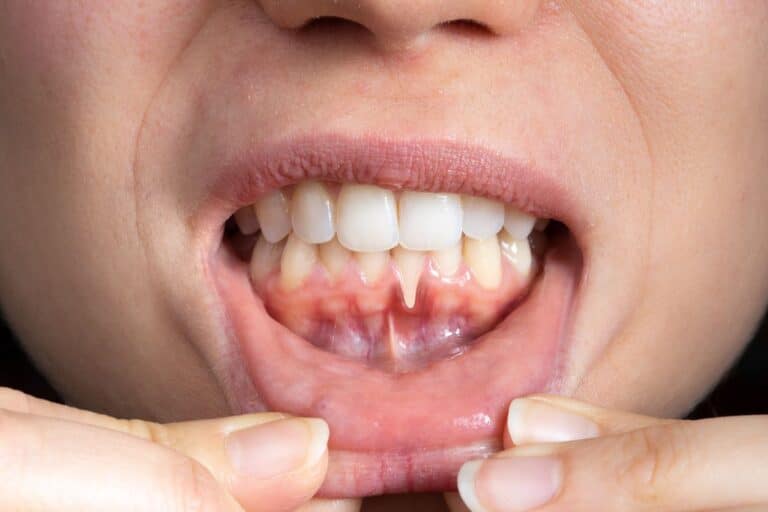


When faced with severe tooth pain, deep decay, or an infected tooth pulp, one of the most crucial decisions you will make with your dental practitioner is determining how to treat the problem. Two of the most common restorative procedures for compromised teeth are tooth extractions and root canal therapy. Patients frequently ask which option is superior, but the answer depends on the structural integrity of your tooth, your overall oral health goals, and long-term restorative planning.
As a dedicated dentist in San Ramon, my philosophy at Pro Smile Dental Care, led by Dr. Anthony Nguyen, is rooted in providing compassionate, patient-centered care that prioritizes preserving your natural smile whenever possible. If you are currently experiencing toothache pain or swelling, we welcome you to visit our dental office for a comprehensive evaluation.
Understanding the Core Objectives: Preservation vs. Removal
To determine whether a root canal or an extraction is better for your specific situation, it helps to understand how each treatment works and what it achieves.
What Is Root Canal Therapy?
Root canal treatment (endodontic therapy) is a restorative procedure designed to save a severely damaged or infected tooth. Inside each tooth is a chamber containing nerve tissue, blood vessels, and connective tissue (the pulp). When deep cavities, cracked teeth, or trauma allow bacteria to penetrate this inner chamber, the pulp becomes inflamed or infected, leading to pain and pressure.
During a root canal procedure:
- The dentist gently numbs the area with local anesthesia to ensure a comfortable, virtually pain-free experience.
- A small access opening is made in the tooth crown.
- The infected or diseased tissue inside the root canals is carefully removed, cleaned, and disinfected.
- The cleaned canals are filled and sealed with a biocompatible dental material (gutta-percha).
- The tooth is usually restored with a durable crown (such as a custom CEREC same-day crown) to rebuild its strength and appearance.
The primary goal of a root canal is endodontic preservation, eliminating infection while keeping your original tooth root firmly anchored in your jawbone.
What Is a Tooth Extraction?
A tooth extraction is the complete removal of a tooth from its socket in the jawbone. While dentists always explore ways to save natural teeth first, extractions remain an essential, life-enhancing procedure when a tooth is compromised beyond repair.
During a simple or surgical extraction:
- Local anesthetic (and optional sedation dentistry) is administered to keep you relaxed and pain-free.
- The dentist gently loosens the tooth using specialized instruments and removes it carefully from the socket.
- Post-operative instructions are provided to promote proper blood clot formation and smooth healing.
Extractions are frequently necessary for impacted wisdom teeth removal, severe bone loss from advanced periodontal disease, extreme decay where insufficient tooth structure remains, or to relieve severe overcrowding for orthodontic care.
Why Saving Your Natural Tooth Is Always Preferred
Whenever clinically feasible, saving your natural tooth through root canal therapy is the gold standard in modern dentistry. Your natural teeth are uniquely engineered to withstand the heavy forces of biting and chewing while keeping your jaw and surrounding teeth aligned.
Preserving Jawbone Density
Your tooth roots stimulate the surrounding alveolar jawbone every time you chew. When a tooth is extracted and not immediately replaced, the lack of stimulation causes the bone in that area to gradually resorb (shrink). Over time, bone loss can alter your facial structure, leading to a prematurely aged appearance.
Preventing Neighboring Teeth from Shifting
When a gap is left by an extracted tooth, neighboring teeth naturally drift and shift into the empty space. This movement disrupts your bite alignment (malocclusion), creates hard-to-clean spaces where plaque accumulates, and can increase the risk of TMJ discomfort or secondary tooth decay.
Natural Biting Force and Comfort
No artificial replacement completely replicates the natural sensation and tactile feedback of your original tooth. Preserving your tooth structure allows you to chew comfortably without altering your diet or adapting to prosthetic devices.
Efficient and Cost-Effective Over Time
While an extraction itself may initially cost less than a root canal combined with a crown, replacing the missing tooth with a dental implant or bridge later requires additional procedures, time, and financial investment. Saving the original tooth often proves to be the most efficient long-term investment in your health.
When Is Tooth Extraction the Better or Necessary Choice?
Although saving natural teeth is our primary objective, there are clinical scenarios where a tooth extraction is the safest and most effective solution for your overall health. As a trusted dentist in San Ramon, Dr. Anthony Nguyen carefully evaluates each case using advanced digital imaging before recommending removal.
An extraction may be the preferred choice when:
- Severe Structural Damage: The tooth has fractured deep below the gum line or lost too much sound tooth structure for a crown to anchor securely.
- Extensive Decay: Bacteria have destroyed the root system, making endodontic treatment impossible.
- Advanced Periodontal Disease: Severe gum disease has destroyed the supporting bone and ligament structure, leaving the tooth loose.
- Impacted or Problematic Wisdom Teeth: Third molars are causing pain, cyst formation, crowding, or damage to adjacent molars.
- Immune Vulnerabilities: Patients with compromised immune systems or undergoing specific medical therapies may require prompt extraction to eliminate systemic infection risks quickly.
In these circumstances, removing the non-salvageable tooth halts the spread of infection and eliminates pain. Following an extraction, options like dental implants, custom bridges, or partial dentures can restore both function and aesthetics.
What to Expect During and After Treatment
Modern dental techniques and effective local anesthetics ensure that both root canals and extractions are comfortable, routine procedures.
The Root Canal Experience
Root canal procedures carry an outdated reputation for being painful, but modern technology has completely transformed the patient experience. In reality, a root canal relieves the excruciating pain caused by infected tissue. Most patients report feeling no more discomfort than they would during a standard cavity filling. Afterward, mild sensitivity can easily be managed with over-the-counter pain relief, and you can resume normal daily routines within a day or two.
The Extraction and Aftercare Experience
During an extraction, you will feel firm pressure as the tooth is gently removed, but no sharp pain. Proper aftercare is vital for smooth recovery:
- Keep gauze in place for the initial timeframe recommended by your dental team.
- Avoid drinking through a straw, smoking, or vigorous rinsing for at least 24 hours to protect the healing blood clot.
- Apply cold compresses intermittently to manage mild localized swelling.
- Stick to soft foods like yogurt, soup, and smoothies during the first few days.
Making the Right Decision for Your Smile
Choosing between a root canal and a tooth extraction requires an individualized diagnosis. During your consultation, your dental team will perform a thorough visual exam, take high-resolution digital X-rays, and discuss your symptoms, lifestyle, and financial preferences.
If you are currently searching for a knowledgeable dentist in San Ramon to evaluate a troubling tooth, schedule an appointment as soon as possible. Prompt intervention often makes the difference between saving your tooth with a root canal and needing a full extraction.
We serve patients in San Ramon, Danville, Dublin, and the East Bay area in California. Whether you require gentle endodontic care, emergency tooth removal, or restorative implant dentistry, our goal is to help you maintain a functional, confident, and healthy smile.
Book Your Appointment at Pro Smile Dental Care Today
Don’t let tooth pain or dental uncertainty disrupt your daily life. Whether you need an infected tooth saved through modern root canal therapy or require a gentle tooth extraction, our experienced team is here to deliver exceptional, personalized care in a comfortable environment. We serve patients in San Ramon, Danville, Dublin, and the East Bay area in California.
Ready to restore your oral health and smile with confidence? Book an appointment with Pro Smile Dental Care today!
Frequently Asked Questions
1. Is a root canal more painful than a tooth extraction?
Neither procedure should be painful during treatment due to effective local anesthesia. A root canal relieves existing infection pain while preserving your tooth, whereas extractions may require a slightly longer soft-tissue recovery period afterward.
2. How do I know if my tooth can still be saved with a root canal?
Your dentist will evaluate the tooth structure using digital X-rays. If enough healthy enamel, dentin, and bone support remain around the root, root canal therapy can successfully save and protect your natural tooth.
3. What happens if I choose to extract a tooth and do not replace it?
Leaving an empty space allows surrounding teeth to shift into the gap, altering your bite alignment. Additionally, the underlying jawbone gradually shrinks due to lack of stimulation, potentially leading to long-term oral health complications.
4. How long does recovery take for a root canal versus an extraction?
Recovery from a root canal is very fast, with most patients returning to normal activities the following day. Extraction healing takes slightly longer, usually requiring several days for initial gum tissue recovery and blood clot stabilization.
5. Are dental implants better than saving your natural tooth with a root canal?
While high-quality dental implants are the best replacement option for missing teeth, no artificial tooth completely duplicates your natural anatomy. Preserving your natural tooth via root canal therapy remains the preferred primary option when possible.
6. Can an infected tooth be extracted immediately, or must the infection clear first?
In many cases, an infected tooth can be safely extracted right away. However, if swelling or severe acute infection is present, your dentist may prescribe antibiotics first to ensure local anesthesia works effectively during removal.
7. How do I choose a qualified dentist in San Ramon for my procedure?
Look for an experienced practitioner offering comprehensive restorative care, modern technology, gentle techniques, and personalized treatment plans. A consultation with a trusted local dentist will clarify the best solution for your unique smile.