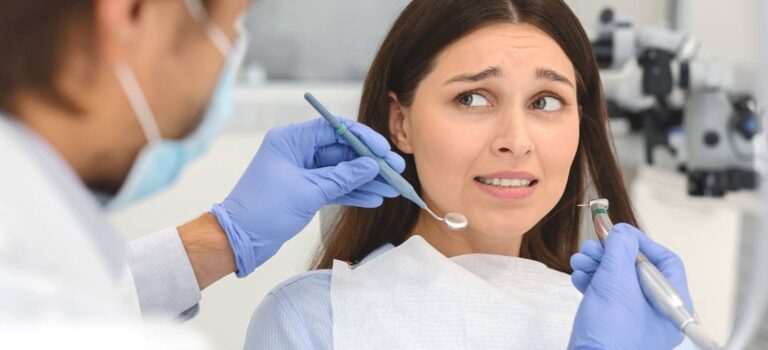


When something suddenly goes wrong with a tooth, it can feel surprisingly hard to know what to do next. One minute you’re dealing with normal life, and the next you’re searching for symptoms online, reading conflicting advice, and wondering whether you should call a dentist immediately or wait it out.
That uncertainty is incredibly common. In fact, research shows that approximately 22 percent of people have experienced dental pain in the previous six months. Yet many delay seeking professional care because they are unsure whether what they are feeling truly qualifies as an urgent oral matter.
At Pro Smile Dental Care, Dr. Anthony Nguyen and the team work with patients facing exactly this kind of uncertainty every day, helping them quickly figure out what needs attention now and what can safely wait.
This guide will help you make that decision easier. We’ll walk through what counts as a dental emergency, what can safely wait for a regular visit, common myths that cause people to delay treatment, and what steps to take when something feels urgent.
Signs You Should Call A Professional Immediately?
Not every oral issue requires the same-day treatment, but some absolutely do. Here’s how to tell when you shouldn’t wait.
1. Severe Tooth Pain That Won’t Subside
A mild ache may not be urgent. But if you’re dealing with a severe toothache at night, discomfort that keeps getting worse, or that doesn’t improve with over-the-counter medication, it’s serious. This may signal:
- Deep decay
- Infection
- A cracked tooth
- Exposed nerve tissue
Moreover, if you’re wondering when to call a dentist for tooth pain, a persistent, severe ache is one of the clearest signs.
2. Sudden Swelling In Your Face Or Jaw
A quickly enlarging, swollen jaw from tooth pain is something you shouldn’t overlook. This kind of swelling might be a sign of:
- Infection
- Abscess
- Trauma
- Gum infection is spreading deeper into the tissue
If your face looks visibly swollen or feels tight and sore, reach out to a professional immediately.
3. You Have A Pimple-Like Bump On Your Gums
A small bump on the gums that looks like a pimple may be a sign of an infection. Common tooth abscess symptoms include:
- Gum swelling
- Bad taste in your mouth
- Pus drainage
- Throbbing ache
- Facial tenderness
Prompt dental abscess treatment helps prevent the infection from spreading.
4. Your Tooth Was Completely Knocked Out
This is one of the most time-sensitive dental emergencies. If you’re searching for what to do for a knocked-out tooth, the answer is to act quickly:
- Pick up the tooth by the crown (not the root)
- Gently rinse it if dirty
- Try placing it back in the socket if possible
- If not, store it in milk or saliva
- Call a nearby oral care provider immediately
These steps for a knocked-out tooth matter because it has the best chance of being saved within 30 to 60 minutes.
5. Bleeding That Won’t Stop
Bleeding after flossing or brushing is not usually an urgent oral matter. But bleeding caused by trauma, oral surgery complications, or injury that continues for more than 10 to 15 minutes needs immediate attention.
6. Toothache With A Fever
If you’re experiencing tooth pain with a fever, you should not wait at home for it to cure on its own. Fever combined with oral distress can indicate an infection that may spread beyond the tooth and gums.
Tooth Problems That Can Usually Wait A Day Or Two
Some issues still need treatment, but they usually don’t require dropping everything.
This is where understanding the difference between a dental emergency vs regular appointment becomes helpful.
- Small Chip With No Pain: A tiny chip that doesn’t hurt is rarely urgent. You should still schedule an appointment soon to prevent further damage.
- Lost Filling: If a filling falls out but distress is mild or nonexistent, you likely do not need immediate treatment. Call a nearby oral practitioner to schedule an appointment in the next few days.
- Lost Crown: A lost crown emergency depends on discomfort levels. If the tooth underneath feels fine, it can usually wait briefly. Keep the crown safe and avoid chewing on that side.
- Mild Sensitivity: Sensitivity to cold drinks or sweets that developed gradually is usually not an urgency. Still, don’t ignore it for weeks, as it may point to decay, enamel wear, or gum recession.
What Happens If You Wait Too Long?
Many people delay treatment because they hope things will improve on their own. Sometimes that works for minor irritation. But true emergencies can worsen quickly.
For example:
- An untreated abscess can spread into the jaw and surrounding tissues
- A cracked tooth may break further
- Infection can worsen significantly
- A knocked-out tooth may become impossible to save
Timing matters, but this isn’t about panic. It’s about making informed decisions.
If you’re looking for an emergency dentist here around the San Ramon community, Pro Smile Dental Care helps patients quickly determine whether they need immediate treatment. The team provides emergency dentistry in San Ramon for patients dealing with severe pain, trauma, and infection concerns.
Before you make any decisions, kindly check our Google Reviews just to see our quality of work
Great facility. Great staff. Clean. I have known Dr Nguyen for a long time. He is very efficient and good at what he does. He takes time to explain. Able to accommodate for any urgent issues as well .
– J Mehta
Myth: The Emergency Room Is Always The Right Choice
Families in San Ramon consider the ER their first stop for a serious toothache. However, that’s not always true. Understanding when to go to the ER for tooth pain is important.
Go to the ER if you have:
- Trouble breathing
- Difficulty swallowing
- Severe facial trauma
- Uncontrolled bleeding
- Signs of a medical crisis
For most oral concerns, the ER can only provide:
- Temporary dental trauma relief
- Antibiotics
- Basic stabilization
They usually cannot treat the actual tooth problem. That’s why searching for a dental emergency near me is often a better step unless the issue is life-threatening.
What If An Oral Urgency Happens On A Weekend?
Oral problems don’t wait for weekdays.
You might wake up on a Saturday with a toothache and wonder whether you need a weekend dentist appointment or if it’s safe to give it some time. Focus on how your symptoms are behaving. If the condition is severe, worsening, or accompanied by swelling or injury, it’s best to seek professional care the same day. If the discomfort is mild, hasn’t changed much, and you’re able to manage it comfortably, waiting until the next available appointment is usually reasonable.
What To Do If You’re Not Sure It’s An Emergency?
One of the biggest mistakes people make is assuming their issue is not serious enough to call about. Professionals answer these questions every day. Even if you’re unsure whether your issue qualifies as urgent care, seeking help will give you clear guidance quickly.
In many cases, earlier treatment means:
- Less pain
- Lower costs
- Simpler procedures
- Better outcomes
Get Clarity & Relief With Pro Smile Dental Care In San Ramon
If you’ve been sitting with a toothache or something that just doesn’t feel right, it’s easy to go back and forth trying to decide how serious it is. That uncertainty alone can be exhausting.
Dr. Anthony Nguyen and the team at Pro Smile Dental Care keep time available specifically for situations like this, when something feels off and you need a clear answer, not guesswork. Whether it turns out to be urgent or something that can wait, getting guidance early puts you in a better position. Reaching out sooner always means more options, simpler solutions, and less stress. Our dentists are proudly serving around the San Ramon area.
If something is bothering you right now, it’s worth taking that next step today and schedule your consultation ASAP or call us at +1-9258307087. You’ll get clarity quickly, and if it is urgent, you’ll already be on the path to feeling better.
Frequently Asked Questions (FAQs)
Q. My tooth has been hurting for two days, but I do not have a fever or swelling. Do I need emergency care, or can I wait?
If the pain is steady but manageable and hasn’t escalated, it’s safe to schedule a visit in the next day or two. In the meantime, avoid chewing on that side and stick to softer foods. If the pain starts to spike, becomes sharp or throbbing, or begins interfering with sleep, it’s no longer something to delay.
Q. I woke up with a swollen jaw, and it’s the weekend. What should I do?
Swelling, especially if it appeared suddenly, often points to infection. Even on a weekend, this should be evaluated the same day. If the swelling is spreading, feels tight, or is paired with fever or difficulty opening your mouth, treat it as urgent rather than waiting it out.
Q. Can a dental abscess go away on its own if I take the antibiotics I have at home?
No. Antibiotics may temporarily reduce pressure and discomfort, but they do not remove the source of the infection within the tooth or gum. Without proper intervention, the infection can return or spread. This situation requires quick care to resolve it fully.
Q. My tooth got knocked out. What steps do I need to take right now?
Time matters here. Pick up the tooth by the crown (top), not the root. If it’s dirty, rinse it briefly with clean water, but do not scrub. If possible, gently place it back into the socket. If that’s not possible, keep it in milk or saliva to prevent it from drying out. The sooner you’re seen, the better the chances of saving the tooth.
Q. Is it worth going to the emergency room for tooth pain, or should I find an emergency dentist instead?
Emergency rooms can help stabilize serious symptoms like swelling that affects breathing, uncontrolled bleeding, or major facial trauma. For most tooth-related discomfort, however, they typically provide temporary relief rather than a solution. Treating the actual cause, whether it’s decay, infection, or damage, requires professional care.