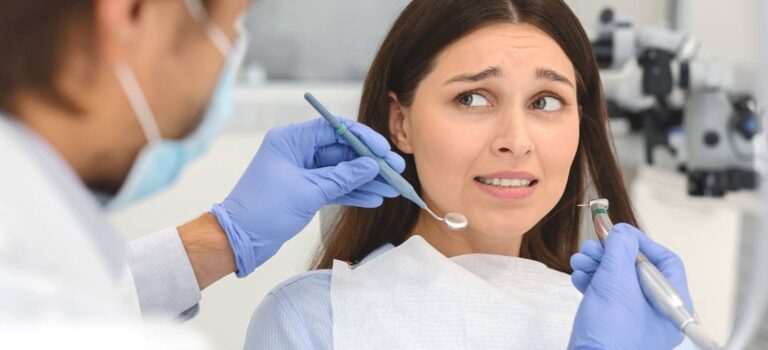

Being told you do not have enough bone for dental implants is one of the most discouraging things a patient can hear. You go in hoping for a permanent solution to missing teeth, and you leave with the impression that it is simply not possible for you. Many patients at that point stop asking questions and accept that implants are off the table forever.
Dr. Anthony Nguyen at Pro Smile Dental Care has worked with patients who had been given this news years earlier and had no idea that the situation could change. What most of them were never told is that insufficient bone is not always a permanent barrier. In many cases, it is a starting point.
Why Bone Loss Happens in the First Place
When a tooth is lost or extracted, the jawbone that once supported that tooth no longer receives the stimulation it needs to maintain its density. Without a root sending force signals through the jaw during chewing, the bone begins to shrink. This process, called bone resorption, starts within weeks of losing a tooth and continues gradually over time.
The longer a tooth has been missing, the more bone loss has typically occurred. Patients who wore dentures for years before considering dental implant procedures often have significant resorption across the jaw. Gum disease can also cause bone loss while teeth are still present, which is why some patients are surprised to be told there is a problem even before any teeth are pulled.
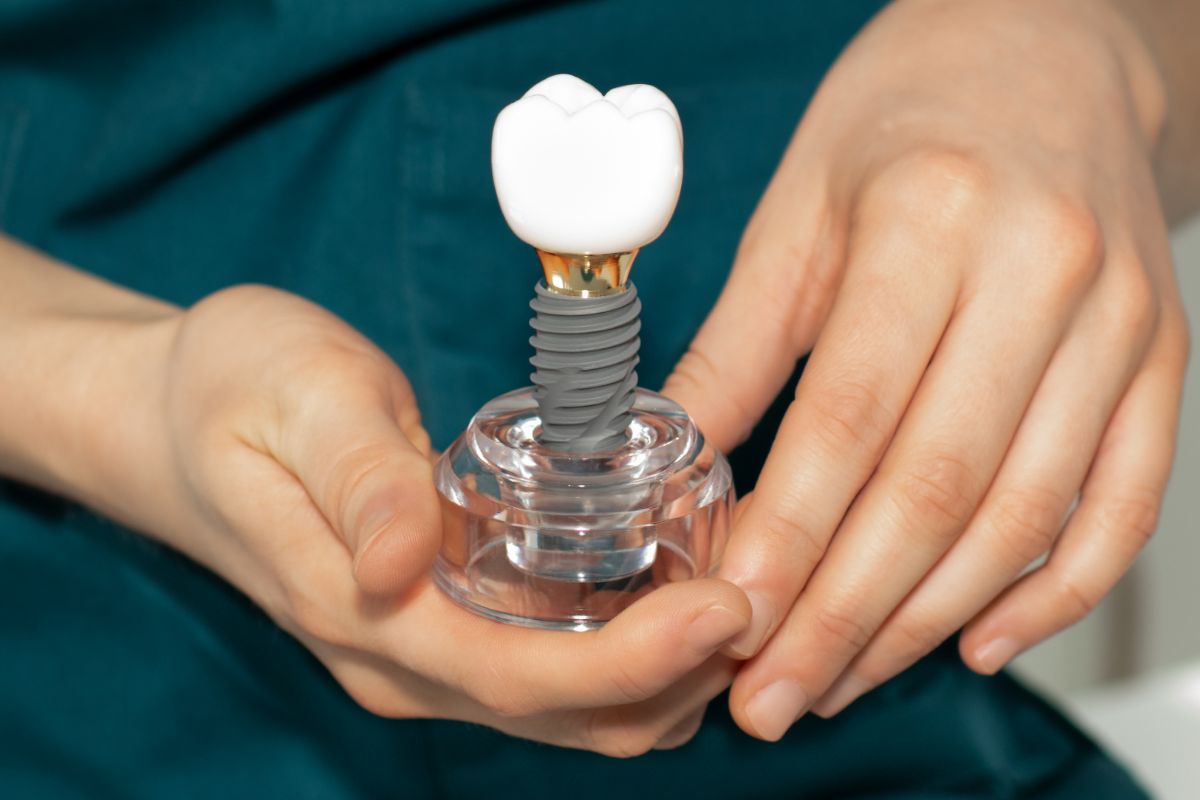
The result is a jaw that no longer has the height, width, or density needed to anchor a titanium implant post securely. Without adequate bone, the implant would not be able to integrate properly and the procedure would fail.
What a Bone Graft Actually Does
This is where the conversation changes for a lot of patients, because most of them were told about the problem without being told about the solution.
A bone graft for dental implant preparation is a procedure that rebuilds the area of the jaw where bone has been lost. It involves placing graft material into the deficient area, which acts as a scaffold for the body to grow new bone tissue around. Over several months, the jaw regenerates density and volume in that specific site.
Once the graft has healed and the new bone has matured, the area is evaluated again to determine whether it can now support dental implant procedures. In many cases, it can.
Understanding what is bone graft for dental implant purposes helps patients realize it is not a complicated or unusual intervention. It is a preparatory step that has been performed successfully for decades, and for patients with bone loss it is often the step that makes everything else possible.
Types of Bone Graft Material
Patients often ask about the best bone graft material for dental implant preparation, and the answer depends on the individual case.
Autografts use bone taken from another area of the patient’s own body, often the chin or jaw. This has traditionally been considered the most reliable option because it uses living bone tissue that the body accepts naturally.
Allografts use processed donor bone from a tissue bank. This is the most commonly used option today because it eliminates the need for a second surgical site and still provides an effective scaffold for new bone growth.
Xenografts use processed bone material from animal sources, most commonly bovine. These are widely used for socket preservation and smaller grafts.
Synthetic grafts use lab created materials designed to mimic the structure of natural bone and gradually resorb as the body replaces it with its own tissue.
A dentist evaluating dental implants in san ramon will assess the extent of bone loss, the location in the jaw, and the overall treatment plan before recommending the most appropriate graft type for each patient.
How the Bone Graft for Dental Implant Procedure Works
The bone graft for dental implant procedure is typically performed under local anesthesia and is completed in a single appointment for most patients. The area is numbed, the graft material is placed and secured, and a membrane is often placed over it to protect the site while healing occurs.
Most patients experience mild soreness and swelling for a few days afterward, similar to what follows a tooth extraction. Over the following months, the body integrates the graft material and builds new bone in the area. This healing period typically ranges from three to six months depending on the size of the graft and the location in the jaw.
Once the dentist confirms through imaging that sufficient bone has formed, dental implant procedures can proceed. In some cases, a smaller graft can be done at the same time as implant placement, eliminating the waiting period entirely.
Patients in San Ramon and surrounding communities including Danville, Dublin, and Pleasanton who have been told they lack the bone for implants should know this evaluation is worth revisiting with a full consultation.
The Answer You Were Looking for May Still Be Available
If you were told bone loss made dental implants impossible and you walked away without hearing about bone grafting, that conversation is worth having again. Dr. Anthony Nguyen and the team at Pro Smile Dental Care will assess your current bone levels, explain what is possible, and walk you through a realistic path forward. We are proudly serving San Ramon and the surrounding areas. Book your consultation today.
Frequently Asked Questions
Does a bone graft guarantee I can get dental implants?
A bone graft significantly improves the chances of being a candidate for dental implant procedures, but the final decision depends on how well the graft heals and how much volume is restored. A thorough evaluation after healing will confirm whether implant placement can proceed.
How long does it take to recover from a bone graft before getting implants?
Most patients wait between three and six months after a bone graft before dental implant procedures begin. Smaller grafts may require less time, while larger reconstructions may need longer healing periods.
Is a bone graft painful?
The procedure is performed under local anesthesia so patients do not feel pain during it. Post procedure discomfort is typically manageable with over the counter pain medication and resolves within a few days for most patients.
Can bone grafting fail?
While bone grafts have a high success rate, failure can occur due to infection, smoking, uncontrolled systemic conditions, or poor healing. A thorough pre-treatment evaluation helps identify and minimize these risks before the procedure begins.