
If you are lying in bed right now with a throbbing tooth and your phone in hand looking for answers, you are not the only person who has been in this exact moment. Night-time tooth pain has a way of arriving precisely when everything feels harder to deal with. The house is quiet, options feel limited, and the discomfort that seemed manageable during the day has suddenly become impossible to ignore. This guide will walk you through why this is happening, what you can do right now to get through the night, and when it is time to call a dentist.

Dr. Anthony Nguyen at Pro Smile Dental Care sees patients regularly who pushed through days of mild discomfort only to find themselves awake at 2 a.m. wondering how something that seemed minor got so bad so fast. The answer almost always comes down to a few specific reasons that are worth understanding.
Why Does Tooth Pain Feel So Much Worse at Night?
There are three main reasons tooth pain intensifies once you lie down, and understanding them helps you make better decisions about what to do next.
The first is blood flow, and when you are upright during the day, gravity keeps blood distributed throughout your body. The moment you lie down, increased blood flow to the head creates added pressure around any inflamed or infected area in your mouth. This is why lying down makes a toothache worse for so many people. It is not your imagination. The pressure genuinely increases, and so does the pain.
The second reason is distraction, and during the day, work, conversation, movement, and routine all compete for your attention. At night, none of that exists and your brain has nothing else to process, so it turns its full attention to the pain signal it has been receiving all day. This is sometimes referred to as pain perception amplification, and it is a well-documented phenomenon. The pain is not necessarily worse in an objective sense. Your awareness of it simply has nowhere else to go.
The third reason is that night-time is often when underlying dental problems reveal themselves. A cavity that has been slowly progressing, a hairline crack that deepened during the day, or an infection that has been building beneath the gumline can all reach a threshold point by the time you settle in for the night. The quiet and the stillness remove the last barrier between you and what the tooth has been trying to tell you.
What Could Be Causing the Pain?
Not all night-time tooth pain comes from the same source, and the type of pain you are feeling gives clues about what is happening.
A deep, throbbing pain that pulses in rhythm with your heartbeat is often associated with a tooth abscess throbbing pain at night. This happens when an infection inside or around the tooth creates pressure that the body cannot relieve on its own. Left untreated, a dental abscess does not resolve by itself and can spread.
A sharp, shooting pain triggered by temperature or biting pressure often points to a cracked tooth or significant decay that has reached the inner layers of the tooth where nerve endings are present.
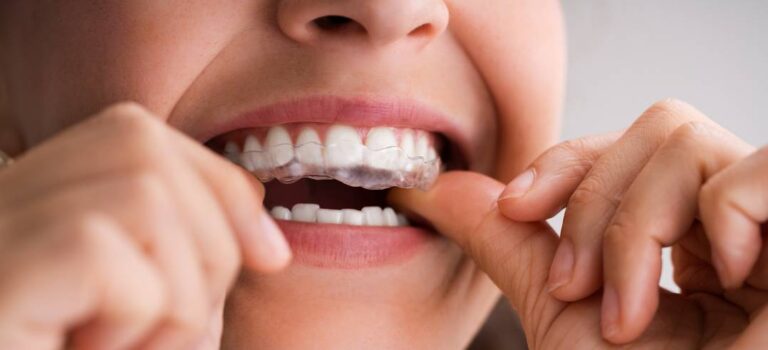
A dull, widespread ache across multiple teeth that feels worse upon waking is a common sign of bruxism worsening toothache symptoms overnight. Many people clench or grind their teeth during sleep without being aware of it, placing enormous strain on the jaw, gums, and tooth surfaces.
Pain localized to your upper back teeth that also feels like pressure behind your eyes or cheekbones may not be a tooth problem at all. Sinus pressure tooth pain is a recognized pattern where inflammation in the sinus cavities, which sit directly above the upper molar roots, mimics dental pain closely enough to confuse even experienced patients.
What You Can Do Right Now to Get Through the Night
If calling a dentist at this hour is not possible, there are several things you can do to reduce discomfort until you can be seen.
Keep your head elevated. Propping yourself up with an extra pillow reduces the increased blood flow tooth pain effect caused by lying flat. Even a slight elevation makes a difference.
Take an over the counter pain reliever. Ibuprofen is generally more effective for dental pain than acetaminophen because it reduces inflammation as well as pain. Follow the dosage instructions on the packaging and do not exceed the recommended amount.
Apply a cold compress to the outside of your jaw. This can reduce swelling and numb the area enough to take the edge off. Avoid applying heat, as this can increase blood flow to the area and worsen the throbbing.
Rinse gently with warm salt water. Salt has mild antibacterial properties and can reduce inflammation in the gum tissue around a painful tooth. It will not fix the underlying problem but it can bring temporary relief.
Clove oil tooth pain relief is a well-known home remedy. Clove contains eugenol, a natural anesthetic. Applying a small amount to a cotton ball and holding it against the painful tooth can provide short-term numbing relief.
Avoid eating on the affected side and stay away from anything cold, acidic, or hard until you can be seen by a dentist.
When Night-time Tooth Pain Becomes a Dental Emergency
Home remedies are for managing discomfort until you can get professional care. They are not a substitute for treatment, and there are specific situations where waiting until the next available appointment is not the right call.
If your pain is severe and not responding to over the counter tooth pain relief after a full dose, that is a signal worth taking seriously. If you notice swelling in your jaw, face, or neck alongside the pain, do not wait. Swelling that spreads beyond the tooth area can indicate an infection that is moving into deeper tissue, which requires same-day attention.
If you have a fever alongside your tooth pain, treat the combination as urgent. Tooth pain with fever points to an active infection that your body is fighting and losing ground on.
If the pain is so severe that it is preventing any sleep at all and has been building rather than staying steady, that pattern of escalation is worth acting on quickly.
For patients looking for a dentist in San Ramon who can assess whether what they are experiencing needs same-day attention, calling the practice first thing in the morning gives you options. Most dental practices that offer emergency dentistry in San Ramon hold availability for exactly these situations, and the sooner you call, the more likely you are to be seen the same day.
When pain is escalating, swelling is visible, or over the counter medication is making no difference, searching for a dentist near me at midnight with the intention of finding emergency care first thing in the morning is a completely reasonable response. Do not talk yourself out of acting on something that is clearly getting worse.
If you are already familiar with what your options look like for dental emergency in San Ramon, then you know that reaching out directly to a dental practice before heading to an emergency room is almost always the better first step. Emergency rooms can provide antibiotics and pain relief but they cannot treat the tooth itself.
What Will Happen When You See a Dentist
When you come in after a night of tooth pain, the dentist will typically take a digital X-ray to see what is happening below the gumline and assess whether the issue is decay, an abscess, a crack, or something else entirely. Once the cause is identified, the conversation about treatment becomes straightforward. In many cases, patients are surprised by how quickly relief arrives once the actual cause is addressed rather than managed around.
Ready to Get Some Relief?
Dr. Anthony Nguyen and the team at Pro Smile Dental Care understand that tooth pain at night is not something anyone chooses to deal with, and reaching out when you are exhausted and in discomfort takes real effort. Our dentists are proudly serving around the San Ramon area and the team makes time for patients who need same-day guidance. If last night was rough, today is the right day to call. Schedule your appointment and let the team figure out exactly what is going on and how to fix it.
FAQs
My tooth only hurts at night and feels fine during the day. Should I still see a dentist?
Yes. Pain that appears only at night and disappears during the day is still a sign that something is happening inside the tooth. The daytime distractions simply mask it. A dentist can identify the cause before it progresses to the point where the pain becomes constant.
I took ibuprofen and the tooth pain still woke me up. What does that mean?
When over the counter medication cannot control the pain, it usually means the underlying issue is significant enough that the inflammation or infection is beyond what anti-inflammatory medication can manage on its own. This is one of the clearer signs that the tooth needs professional treatment promptly.
Can a sinus infection actually cause tooth pain at night?
Yes. The roots of the upper back teeth sit very close to the sinus cavities. When the sinuses are inflamed or infected, the pressure they create can radiate directly into those teeth and feel exactly like a toothache. If you also have nasal congestion, facial pressure, or postnasal drip alongside your tooth pain, a sinus issue may be contributing.
Is it safe to put clove oil directly on my gum or tooth at night?
A small amount applied carefully to the affected area using a cotton ball is generally safe for short-term use. Avoid applying it directly to gum tissue in large amounts as it can cause irritation. It provides temporary numbing relief but does not treat the underlying cause of the pain.