

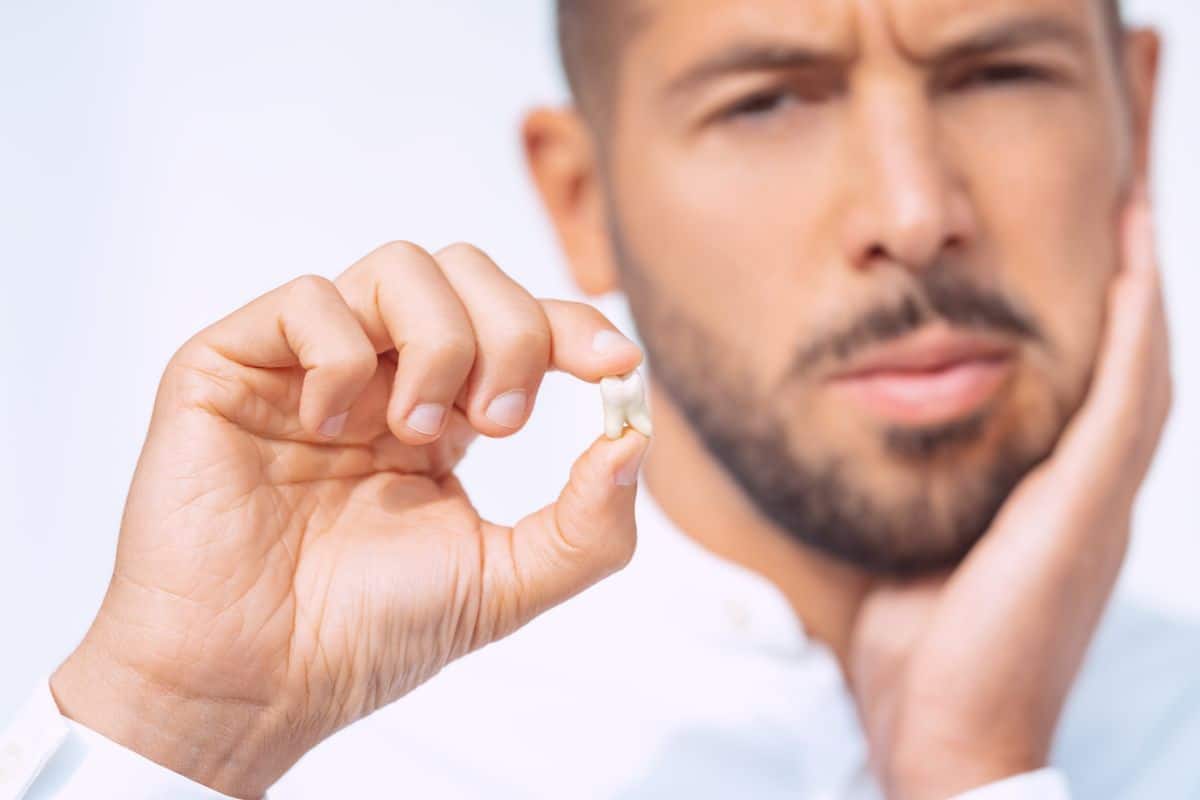
Picture this: You are enjoying a weekend soccer game at San Ramon Central Park, or perhaps biting into a crisp apple at home, and suddenly, accidentally, an impact knocks a tooth right out of its socket. Panic naturally sets in. It is an alarming, painful, and shocking experience. However, taking the right steps immediately can make the absolute difference between saving your natural tooth and losing it for good.
When it comes to an avulsed (knocked-out) tooth, the clock is ticking loudly. The first 30 minutes are critical. Knowing exactly what to do can protect your long-term oral health and save your smile.
The Golden Window: Why the First 30 Minutes Matter
Dental trauma requires swift action. Inside the root of your tooth are delicate periodontal ligament fibers and living cells. When a tooth is forced completely out of its socket, these vital cells begin to dry out and die when exposed to air.
If you can act quickly and keep the tooth moist, a skilled emergency dentist often has a high success rate of re-implanting the tooth back into the bone, where it can re-integrate over time. Waiting hours before seeking immediate dental care in San Ramon drastically drops the chances of saving the natural tooth, often forcing you to look at alternative options like dental implants or bridges down the road.
Step-by-Step Action Plan: What to Do Right Away
If you or a loved one experiences a knocked-out tooth, stay as calm as possible and follow this step-by-step emergency protocol:
Step 1: Locate and Handle the Tooth with Extreme Care
Find the tooth immediately. When you pick it up, always hold it by the crown (the white chewing part that normally shows when you smile). Never touch the root. The root surface contains microscopic living cells that are vital for re-attachment; rubbing, scrubbing, or handling the root can destroy them permanently.
Step 2: Gently Rinse Off Debris (If Necessary)
If the tooth falls into dirt, mud, or on a dusty floor, rinse it very gently with cold tap water or sterile saline for a couple of seconds.
- Crucial warning: Do not scrub the tooth, do not dry it with a paper towel or cloth, and do not use soap or harsh cleansers.
Step 3: Try to Reinsert the Tooth into the Socket
The absolute best-case scenario is placing the tooth right back where it came from.
- Line up the tooth correctly facing the right direction.
- Gently push it back into its empty socket using your fingers.
- Once it is in place, gently bite down on a clean piece of gauze, a clean cloth, or even a wet tea bag to help hold it steady.
Step 4: Keep the Tooth Moist If Reinsertion Fails
If the tooth cannot go back into the socket due to swelling, panic, or damage to the bone, you must keep the root from drying out.
- Submerge it in milk: Cow’s milk has a balanced pH and chemical composition that helps keep root cells alive longer than tap water.
- Use saliva (as a secondary option): If milk is unavailable, you can place the tooth inside your cheek between your cheek and gums, or spit a small amount of saliva into a clean container to submerge it.
- Avoid plain tap water for long periods, as water cells can cause the delicate root cells to burst and die.
Step 5: Contact Professional Help Immediately
Call your local dental office right away. Explain clearly that you are dealing with an avulsed tooth so they can prepare for your arrival. If you are local to the East Bay area, you will want to visit an emergency dentist near you without delay.
What NOT to Do When a Tooth Is Knocked Out
In moments of high stress, well-meaning people often make critical mistakes that can ruin the chances of saving a tooth. Keep these strict rules in mind:
- Never scrub or wrap the tooth: Do not wrap a knocked-out tooth in a tissue, napkin, or cotton ball. It will dry out instantly, and fibers will stick to the root.
- Do not use hot water: If rinsing the tooth, always use cool or lukewarm water. Heat destroys living tissue.
- Never force a tooth back into a swollen socket: If the bone or gum tissue has shifted dramatically and the tooth refuses to slide in, do not shove it. Store it in milk instead and head straight to visit our dental office.
- Don’t wait to see if it stops hurting: Even if the pain subsides, an open socket is a major infection risk, and an unanchored tooth will not heal on its own.
Permanent Teeth vs. Baby Teeth: Is There a Difference?
It is important to note that these guidelines apply primarily to permanent (adult) teeth.
If a child knocks out a primary (baby) tooth, you should not attempt to put it back into the socket. Forcibly re-implanting a baby tooth can actually damage the developing permanent tooth growing quietly underneath the gums. However, you should still contact a pediatric-friendly dental care provider to ensure there is no hidden fragment left behind and that the surrounding gums are healing safely.
Preventing Dental Emergencies Before They Happen
While accidents can happen to anyone, whether during a contact sport, a clumsy trip, or a hard fall—you can significantly minimize your risk with a few proactive habits:
- Wear a Custom Mouthguard: If you or your children play high-impact sports like basketball, soccer, martial arts, or football, invest in a custom-fitted athletic mouthguard from your dentist. It cushions blows and distributes impact forces away from individual teeth.
- Break Bad Habits: Avoid using your teeth as tools to open packages, cut tags, or crack hard nuts. This puts immense stress on the enamel and can easily snap or dislodge a tooth.
- Maintain Regular Checkups: Routine dental visits ensure your gums and jawbone stay healthy and strong, providing a solid foundation that naturally anchors your teeth better.
Get Immediate Help When You Need It Most
Dental emergencies are scary, but you do not have to navigate them alone. If you are experiencing a knocked-out tooth or any urgent oral trauma in the East Bay, prompt action is your best defense.
If you need urgent evaluation or immediate dental care in San Ramon, book an appointment with Pro Smile Dental Care today. Our compassionate team is equipped to handle dental emergencies swiftly, helping you protect your smile when accidents happen.
Frequently Asked Questions
1. Can a knocked-out tooth always be saved?
Not always, but the odds are heavily in your favor if the tooth is reimplanted or kept moist in milk and brought to a professional within 30 to 60 minutes. After an hour, the success rate drops significantly because the root cells die off.
2. What should I do if I am bleeding heavily from the socket?
Fold a clean piece of gauze or a clean washcloth, place it directly over the empty socket, and bite down firmly with steady pressure for about 10 to 15 minutes. If heavy bleeding continues past 20 minutes or you feel dizzy, seek medical attention immediately.
3. Will the re-implanted tooth look and feel normal right away?
Once your dentist stabilizes the tooth using a temporary wire or composite splint attached to the neighboring teeth, it will need time to heal (usually a few weeks). Depending on the severity of the trauma, the tooth may eventually require root canal therapy later on because the internal nerve supply was severed during the accident. However, keeping your natural tooth structure is almost always the best medical outcome.