

Teeth whitening is especially popular among smokers and coffee drinkers who want a brighter smile despite habits that often cause discoloration. Smoking stains, coffee pigments, and daily exposure to dark beverages all affect how long whitening results last. Understanding how these factors interact with professional whitening can help you protect your results and set realistic expectations.
How Smoking Causes Deep, Persistent Tooth Stains
Smoking has a direct and visible impact on tooth color. Nicotine and tar settle into microscopic pores in enamel, leading to yellow or brown discoloration that worsens over time. Unlike surface stains from food, a smoking teeth stain tends to bond more aggressively to enamel. Key effects of smoking on tooth color include:
- Tar Buildup: Creates dark, stubborn stains that resist regular brushing.
- Nicotine Oxidation: Turns yellow when exposed to oxygen, worsening discoloration.
- Reduced Saliva Flow: Makes it harder for your mouth to naturally wash away stain-causing particles.
Smoking After Teeth Whitening Can Reverse Results Quickly
One of the most common concerns is smoking after teeth whitening. Immediately after whitening, enamel is more porous and vulnerable to re-staining. Smoking during this window can reduce or undo results. Important considerations include:
- Early Exposure Risk: Smoking within the first 24 to 48 hours can cause rapid discoloration.
- Faster Stain Rebound: Smokers often see stains return sooner than non-smokers.
- Uneven Whitening: New stains may appear patchy against freshly whitened enamel.
For smokers teeth whitening to last, timing and post-treatment habits matter.
Before & After Smokers’ Teeth Show Real Improvement
Before and after smokers teeth images often show dramatic improvements with professional whitening. While tobacco stains are more resistant, modern whitening systems can noticeably lift discoloration when combined with proper maintenance. Results typically depend on:
- Length Of Smoking History: Long-term smokers may need multiple sessions.
- Type Of Stains: Surface stains respond faster than deeply embedded discoloration.
- Lifestyle Changes: Reduced smoking improves long-term outcomes.
Why Coffee Stains Teeth Even After Whitening
Coffee is one of the most common causes of post-whitening discoloration. The tannins in coffee bind to enamel and leave behind dark pigments that gradually dull brightness, even after professional whitening.
Staining happens because those pigments settle into tiny pores on the tooth surface, where they are harder to remove with routine brushing. Coffee’s natural acidity can also soften enamel for a short time, making teeth more receptive to new stains. When you consume coffee daily, repeated exposure compounds this effect and accelerates discoloration.
Teeth Whitening For Coffee Drinkers Requires Smart Habits
As a coffee drinker, it’s best to pair your teeth whitening with practical daily habits that limit stain buildup. Helpful strategies include:
- Rinsing With Water After Coffee: Reduces pigment contact time.
- Using A Straw When Possible: Limits exposure to front teeth.
- Spacing Whitening Touch-Ups: Maintains brightness without overuse.
Proven Methods To Tackle Tobacco & Coffee Stains
Effective removal of tobacco coffee stains teeth and maintenance of a beautifully white smile calls for several approaches. Our recommendations for keeping your smile bright cover these practical steps:
- Professional Cleaning: Regular professional dental cleanings are vital to remove surface stains and plaque, maintaining gum health.
- At-Home Whitening Products: Personalized home whitening kits can complement in-office treatments, offering ongoing stain management.
- Consistent Oral Hygiene: Ensuring thorough brushing and flossing daily, along with frequent visits to a dental professional, promotes long-lasting white teeth.
Choosing The Right Whitening Method For Your Lifestyle
Several whitening options exist, varying in effectiveness, cost, and convenience. It is important to choose the right method based on your lifestyle, habits, and personal preferences. Here are some commonly used teeth whitening methods:
- In-Office Professional Whitening: Offers quick and dramatic results under a dentist’s supervision and is particularly effective for resilient stains.
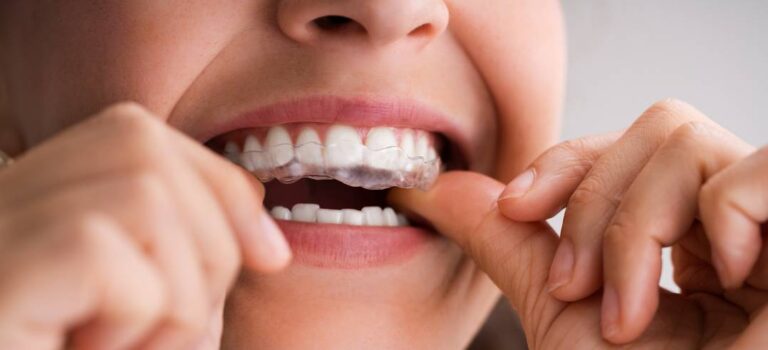
- Take-Home Whitening Kits: Custom-fitted trays provided by dental professionals for home use balance convenience with effectiveness.
- Whitening Strips & gels: Over-the-counter options that offer gradual results when used consistently over time.
According to the American Dental Association (ADA), whitening works on surface stains and deeper discoloration through hydrogen peroxide or carbamide peroxide. They also note that whitening only works on natural teeth, not on crowns, veneers, or other tooth-colored restorations.
Factors Influencing Teeth Whitening Success
While teeth whitening is generally effective, its success can depend on several factors. Understanding these factors can help manage expectations and maximize the treatment’s effectiveness:
- Existing Dental Conditions: Decay, gum disease, or sensitivity can affect eligibility and results.
- Type Of Stains: Stains caused by smoking or coffee may require specialized treatment approaches.
- Lifestyle Factors: Smoking or drinking highly pigmented beverages will influence the durability of whitening results.
Discover Your Best Smile At Pro Smile Dental Care
Unlock the potential of your smile by exploring teeth whitening options tailored to smokers and coffee drinkers in San Ramon. We are committed to offering advanced, personalized dental care to help you achieve and maintain a radiant smile. For anyone curious about how teeth whitening can brighten their smile despite lifestyle habits, our experienced team is ready to provide guidance and the highest quality of care. Visit us today and take the first step towards a brighter, more confident you.