
Every year, millions of Americans diligently mark their calendars twice for routine dental checkups and professional cleanings. The “twice-a-year” recommendation has become a deeply ingrained healthcare habit, spoken with the same universal authority as drinking eight glasses of water a day or getting eight hours of sleep. However, have you ever paused to ask where this rigid rule came from? Is visiting a dental chair every six months a universal biological necessity for every single human mouth, or is it merely a convenient blanket guideline?
Understanding the true cadence of preventive oral care requires looking beyond traditional dental tropes and exploring personalized dentistry. Modern oral healthcare is not a static assembly line; it is a dynamic, risk-based medical practice designed to protect your teeth, gums, and systemic health over a lifetime.
At Pro Smile Dental Care, our trusted dentist in San Ramon, Dr. Anthony Nguyen, and the team focus on tailored preventive strategies that meet the unique biological and lifestyle needs of every patient in our community. In this guide, we break down the origins of the six-month myth, explain how personalized visit frequencies work, and show how proactive care keeps your smile healthy, vibrant, and pain-free.
The Surprising Origin of the 6-Month Rule
If you assume the six-month checkup rule originated from a landmark clinical trial or a groundbreaking epidemiological study, you might be surprised to learn that its roots lie in marketing history rather than medical science.
In the early 20th century, before modern fluoridated water, restorative materials, and advanced diagnostic imaging existed, dental decay and severe gum disease were rampant across the United States. Tooth extraction was often the primary treatment for oral pain.
The slogan was catchy, simple, and effective. It encouraged millions of Americans to adopt basic oral hygiene habits at a time when preventive care was practically non-existent. Over the decades, public health organizations and dental associations adopted six months as a practical baseline recommendation for the general population. While this general timeline helped millions of people maintain basic oral cleanliness, modern periodontics and cariology (the study of tooth decay) have evolved far beyond standard blanket rules.
Today, clinical research demonstrates that oral disease risk varies drastically from person to person. Factors such as genetic predisposition, salivary flow rate, diet, systemic health conditions, stress levels, and daily hygiene habits dictate how rapidly plaque mineralizes into calculus (tartar) and how susceptible a person is to cavities or periodontal breakdown.
One Size Does Not Fit All: Understanding Your Personal Risk Profile
In contemporary dentistry, checkup intervals are determined through a comprehensive clinical assessment called Caries Risk Assessment (CRA) alongside a thorough periodontal evaluation. Rather than fitting every patient into the same biological calendar, we classify recall visits based on individualized risk profiles.
Low-Risk Individuals (Annual Recalls)
A select group of adult patients maintains exceptional oral health. These individuals typically exhibit:
- Strong enamel density and optimal fluoride exposure.
- Excellent, consistent daily brushing and flossing routines.
- Low dietary sugar and starch intake.
- Healthy salivary flow (saliva acts as a natural buffer against acid-producing bacteria).
- No active restorations, bleeding gums, or history of periodontal disease.
For these low-risk individuals, clinical studies show that an annual dental examination and cleaning may be completely sufficient to maintain tissue stability and detect early surface changes.
Moderate-Risk Individuals (6-Month Recalls)
The standard six-month interval remains appropriate for the average adult and child. Moderate-risk patients usually present with:
- Occasional localized plaque accumulation or minor gingival inflammation (gingivitis).
- A few existing dental restorations (fillings, crowns) that require routine structural monitoring.
- Mild lifestyle risk factors, such as occasional sugary snacks or moderate coffee/tea consumption.
A bi-annual checkup allows us to clear away hardened calculus deposits that regular toothbrushing cannot remove, evaluate structural wear on existing dental work, and deliver localized fluoride or remineralization therapies.
High-Risk Individuals (3 to 4-Month Recalls)
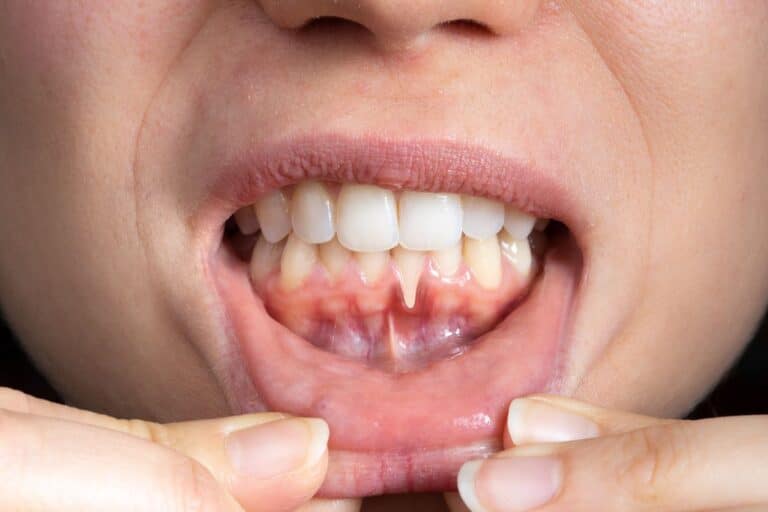
For a significant portion of the population, waiting six months between visits can lead to undetected disease progression, irreversible bone loss, or sudden structural failure. High-risk categories include:
- Patients with Periodontal (Gum) Disease: Once bone loss occurs around a tooth, deep microscopic pockets form between the tooth root and the surrounding gum tissue. Pathogenic bacteria thrive in these anaerobic environments. Because bacterial colonies recolonize and mature into destructive subgingival biofilm every 90 days, patients undergoing periodontal maintenance require professional cleaning every three to four months to arrest bone loss.
- Diabetic Patients: Diabetes and periodontal disease share a well-documented two-way relationship. High blood sugar impairs immune response, making gum tissues more prone to infection, while active oral inflammation makes blood glucose harder to control.
- Individuals with Xerostomia (Dry Mouth): Saliva delivers essential calcium and phosphate ions to remineralize enamel while washing away food debris. Certain medications, autoimmune conditions (such as Sjögren’s syndrome), and age-related changes drastically reduce salivary flow, leading to rapid, rampant decay along the gumline.
- Smokers and Vapers: Tobacco and vaping products restrict microvascular blood flow to the gums, masking obvious signs of inflammation while impairing the body’s natural defense mechanisms.
- Pregnant Individuals: Hormonal fluctuations during pregnancy often trigger “pregnancy gingivitis,” causing swollen, hyper-reactive gum tissue that requires close professional monitoring.
In these circumstances, partnering with a proficient dentist ensures that minor enamel decay is caught and treated long before it escalates into a debilitating toothache.
What Actually Happens During a Modern Dental Checkup?
Many people assume a dental visit is simply about scraping plaque off teeth and polishing them to a shine. In reality, a professional preventive examination is an essential medical screening for your entire head, neck, and oral cavity.
When you enter our practice, your evaluation encompasses several critical clinical steps:
- Digital Diagnostic Imaging: Low-radiation digital X-rays and 3D intraoral scans reveal what is invisible to the naked eye, including interproximal cavities hiding between tight tooth contacts, bone density changes around root tips, impacted teeth, and subtle structural hairline fractures.
- Oral Cancer Screening: We systematically examine the tongue, floor of the mouth, soft palate, tonsillar pillars, cheeks, and neck lymph nodes for abnormal mucosal lesions, dysplastic changes, or unexplained swelling. Early detection of oral malignancy dramatically improves long-term prognosis.
- Periodontal Probing & Charting: Using a specialized millimeter probe, we measure the depth of the sulcus around every single tooth. Measurements of 1 to 3 millimeters indicate healthy attachment, whereas measurements of 4 millimeters or deeper signal active pocketing and attachment loss requiring immediate intervention.
- Airway & Occlusal Evaluation: We assess bite alignment, joint health in the temporomandibular joint (TMJ), and signs of nighttime teeth grinding (bruxism) or airway restriction, such as worn enamel facets, cracked cusps, or scalloped tongue borders.
- Ultrasonic Scaling & Air Polish Hygiene: Hygienists utilize precision magnetostrictive or piezoelectric ultrasonic scalers to disrupt calcified tartar deposits both above and below the gumline without abrading natural tooth structure.
Why Waiting for Symptoms Leads to Complex Dental Problems
One of the most common reasons people delay dental visits is a simple rationale: “My teeth don’t hurt, so why should I go?”
Unfortunately, dental pathology is famously silent in its early stages. Tooth enamel contains no nerves. A cavity can slowly erode through the outer enamel layer and compromise the underlying dentin without causing a single shred of discomfort. By the time a cavity reaches the inner dental pulp where blood vessels and nerve fibers reside, the decay has already progressed significantly.
When dental decay reaches this stage, consulting with a trusted dentist helps pinpoint your specific risk factors, ensuring that sudden sensitivity or an unexpected toothache is addressed before root canal therapy becomes necessary.
Similarly, chronic periodontitis is known as a “silent disease.” You may experience mild bleeding when flossing or slight gum redness, but bone destruction around the roots occurs without severe pain. By the time teeth become loose or shift out of alignment, substantial structural support has been permanently lost. Regular diagnostic recare visits stop these conditions at the surface level, saving you from extensive restorative procedures, unexpected costs, and physical discomfort.
Personalized Dental Care
Living in the East Bay area means balancing busy professional lives, family schedules, and outdoor activities. Whether you are walking through the Bishop Ranch area, commuting along Camino Ramon, or enjoying time with family at local parks, oral health should seamlessly support your active lifestyle rather than disrupt it.
Local lifestyle factors can directly influence oral health in unexpected ways:
- Active Sports & Recreation: Young athletes participating in local school sports require custom-fitted mouthguards to guard against sudden dental trauma and jaw injuries.
- Stress-Related Bruxism: High-demand corporate work environments often lead to nocturnal clenching and grinding. Routine checkups allow us to spot early enamel wear and fabricate custom nightguards before structural cracking occurs.
- Dietary Habits: Regular consumption of artisan coffees, sports drinks, or acidic beverages can accelerate enamel erosion, making routine fluoride treatments and professional cleanings vital for maintaining enamel integrity.
In many cases, seeing a reliable dentist for routine exams allows us to treat the underlying causes of a toothache, such as hairline fractures or hidden cavities under old fillings.
Protecting Your Health with Our Comprehensive Dental Care
The six-month rule is a helpful general baseline, but your oral health deserves a personalized approach tailored to your body’s unique biological needs. Whether you require annual monitoring, standard biannual maintenance, or targeted periodontal care every few months, prioritizing preventive dentistry keeps your natural smile strong, functional, and radiant for life.
At Pro Smile Dental Care, we combine compassionate patient education, advanced diagnostic technology, and a warm, welcoming environment to deliver complete oral health solutions for adults and children throughout the San Ramon community.
If you are searching for a compassionate dentist to help prevent oral health issues or provide rapid relief for an urgent toothache, book an appointment today to enjoy a healthy, confident smile!
Frequently Asked Questions
1. Why do some dental practices in San Ramon recommend visits every three months instead of six?
Corporate dental chains often apply standard six-month recalls. However, local patients with active periodontal disease, diabetes, or rapid plaque buildup need three-to-four-month cleanings to disrupt destructive bacteria and prevent irreversible bone loss.
2. Can a dentist detect cavities before I feel any toothache?
Yes. Corporate clinics may wait for visible damage, but advanced digital X-rays detect enamel demineralization early. Partnering with a dedicated dentist treats decay long before a painful toothache develops.
3. Is an annual dental checkup enough if I brush and floss every day?
While corporate practices push rigid six-month schedules for everyone, low-risk patients with pristine hygiene might only need annual exams. However, an expert examination ensures hidden plaque or silent structural issues aren’t missed.
4. How does preventive dental recare in San Ramon compare to emergency dental care?
Emergency visits focus solely on stopping sudden pain after damage occurs. Preventive recare focuses on risk assessment, catching micro-fractures, and removing calcified tartar, saving you from complex, costly emergency restorations later.
5. Why shouldn’t I wait until I experience a toothache to see a dentist?
Tooth decay remains completely painless until it reaches the inner nerve. Delaying care until you feel discomfort often means simple surface fillings are no longer an option, requiring complex root canals or crowns instead.
6. Do children and adults in San Ramon need the exact same checkup frequency?
Not always. Children’s developing enamel and changing diets often require six-month fluoride monitoring. Adults are evaluated based on periodontal health, restorations, and dry mouth risk, creating customized schedules rather than one-size-fits-all care.
7. How do modern dental checkups differ from quick, low-cost corporate cleanings?
Discount dental chains often offer rapid, superficial polishing. Comprehensive checkups include oral cancer screenings, 3D airway assessments, periodontal probing, and ultrasonic scaling to protect your overall systemic and oral health long-term.