

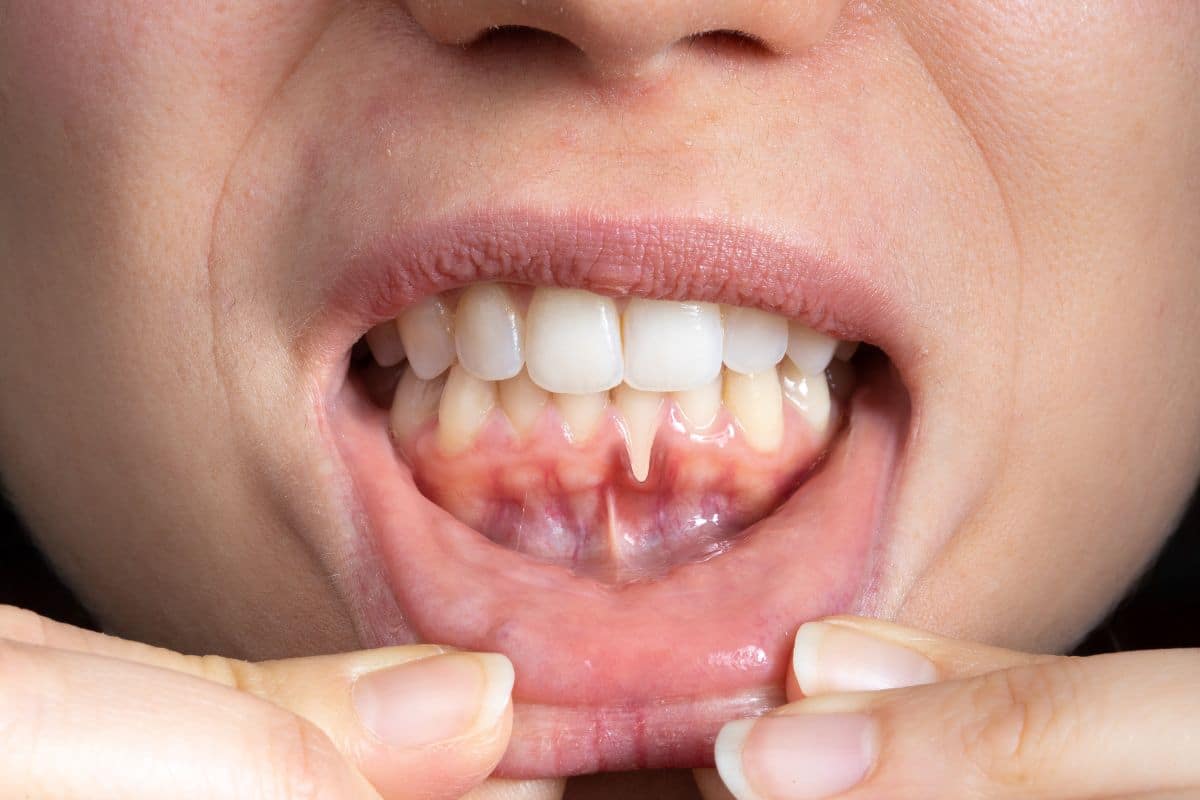
Have you ever looked in the mirror while brushing your teeth and noticed that your smile looks a little “longer” than it used to? Or maybe you’ve felt a sharp, sudden twinge of discomfort while sipping an ice-cold glass of water or eating a hot bowl of soup.
If you are experiencing these changes, you might be dealing with gum recession, a very common dental issue where the tissue surrounding your teeth wears away or pulls back, exposing more of the tooth or even its root.
It is one of the most frequent concerns patients bring up when they visit our dental office. Naturally, one of the first questions people ask is: Can receding gums grow back on their own?
Let’s dive into the science of gum tissue, what causes it to pull away, how you can stop it in its tracks, and the solutions available to restore your oral health.
Can Receding Gums Actually Grow Back?
Let’s clear up the biggest myth in dental care right away: No, once gum tissue has receded, it cannot grow back naturally.
Unlike skin or other tissues in the human body, gum tissue doesn’t regenerate once it is lost. Gum tissue is specialized, heavily vascularized soft tissue that shrinks or pulls away due to various stressors. Once the structural architecture of the gum line recedes and the roots become exposed, home remedies, special toothpastes, or mouthwashes cannot coax the tissue back down to its original position.
However, just because lost gum tissue won’t grow back on its own doesn’t mean you are helpless. While you cannot reverse the recession completely without professional intervention, you can stop it from getting worse. Understanding why it happens is the first step toward protecting the rest of your smile.
Why Do Gums Recede? Common Causes to Watch Out For
Gum recession rarely happens overnight. It is typically a gradual process triggered by one or more underlying factors:
1. Aggressive Brushing Habits
Many people believe that scrubbing their teeth harder makes them cleaner. In reality, using a hard-bristled toothbrush or applying heavy horizontal pressure wears away the delicate enamel at the gumline and physically pushes the gums back. Gentle, circular motions with a soft-bristled brush are always the way to go.
2. Periodontal Disease (Gum Disease)
This is the leading culprit behind gum recession. Bacterial infections destroy the gum tissue and the underlying jawbone that support your teeth. If left untreated, gingivitis progresses into periodontitis, causing widespread tissue detachment.
3. Genetics
Just like you inherit your eye color or height, you can inherit thin or fragile gum tissue from your parents. People with thin periodontal biotypes are inherently more susceptible to recession, even with good oral hygiene.
4. Teeth Grinding and Clenching (Bruxism)
Clenching your jaw or grinding your teeth puts an immense amount of lateral force on your teeth. This stress can cause microscopic fractures in the enamel near the gumline and cause the surrounding bone and tissue to recede.
5. Tobacco Use
Smoking and using smokeless tobacco products weaken your immune system, making it harder for your body to fight off gum infections. Tobacco users are vastly more prone to sticky plaque buildup and rapid gum recession.
The Hidden Dangers of Ignoring Gum Recession
When gum tissue pulls back, it leaves exposed tooth roots vulnerable to a host of problems. Unlike the crown of your tooth—which is protected by a hard layer of enamel—tooth roots are covered in a softer substance called cementum.
Without the natural seal of healthy gums, exposed roots lead to:
- Severe Tooth Sensitivity: Enamel-less roots contain tiny tubules that lead directly to the nerve of the tooth, making hot, cold, sweet, or acidic foods painful.
- Higher Risk of Root Decay: Because cementum wears away easily, exposed roots are prime targets for cavities.
- Loose Teeth and Tooth Loss: As the bone supporting the teeth deteriorates alongside the receding gums, teeth can become mobile and eventually fall out.
How to Stop Gum Recession in Its Tracks
Stopping gum recession requires a partnership between your daily habits at home and professional care. If you want to keep your gum line stable, incorporate these preventative steps into your routine:
- Switch to a Soft-Bristled Toothbrush: Ditch the medium and hard brushes. If you use an electric toothbrush, let the brush do the work instead of pressing down hard.
- Upgrade Your Technique: Brush gently at a 45-degree angle toward the gumline.
- Treat Teeth Grinding: If you grind your teeth at night, ask your dentist about a custom-fitted nightguard to protect your bite and soft tissues.
- Quit Tobacco: Eliminating smoking or tobacco use dramatically improves blood flow to your gums and halts accelerated recession.
- Keep Up with Professional Cleanings: Daily flossing and brushing remove food particles, but only a professional dental cleaning can eliminate hardened tartar (calculus) hiding beneath the gumline.
Modern Solutions: What Can a Professional Do?
If your recession is already advanced, don’t panic. Modern dentistry offers fantastic therapeutic options depending on the severity of your case:
- Deep Cleaning (Scaling and Root Planing): If gum disease is the root cause, a deep cleaning removes bacteria and smooths the root surfaces, allowing the remaining gum tissue to re-attach securely to the tooth.
- Gum Grafting: For significant recession where exposed tooth roots are causing aesthetic or structural concerns, a periodontist or skilled dentist can perform a gum graft. This minor surgical procedure takes healthy tissue from another part of your mouth (or a donor source) and stitches it over the exposed root to cover and protect it.
- Pinhole Surgical Technique: A scalpel-free, suture-free option for certain types of recession that repositions existing gum tissue over the recessed area.
Finding the right gum recession treatment tailored to your unique mouth structure is essential for long-term oral stability.
Protect Your Smile Today
Your gums are the essential foundation of a healthy, beautiful smile. While lost gum tissue won’t grow back on its own, early intervention can stop recession in its tracks and protect your teeth for years to come.
If you are worried about changing gum lines or stubborn sensitivity, you don’t have to navigate it alone. Take control of your oral health today, book an appointment at Pro Smile Dental Care, and let our experienced team help you protect your radiant, healthy smile.
Frequently Asked Questions
1. Can natural oils or saltwater rinses reverse gum recession?
No. While saltwater rinses and certain essential oils can help reduce inflammation and soothe sore gums, they cannot physically stimulate lost gum tissue to grow back. They are great supportive care tools, but they cannot reverse structural recession.
2. How do I know if my gum recession is getting worse?
Look out for visual changes such as teeth looking longer, visible discoloration near the root surfaces, increasing gaps between teeth, or a sudden spike in sensitivity when eating cold foods. Taking regular photos of your smile can help you track changes over time.
3. Is gum recession painful?
In the early stages, gum recession is often painless, which is why many people ignore it until it becomes severe. However, as more root surface is exposed, sensitivity and discomfort during brushing or eating become very common.