
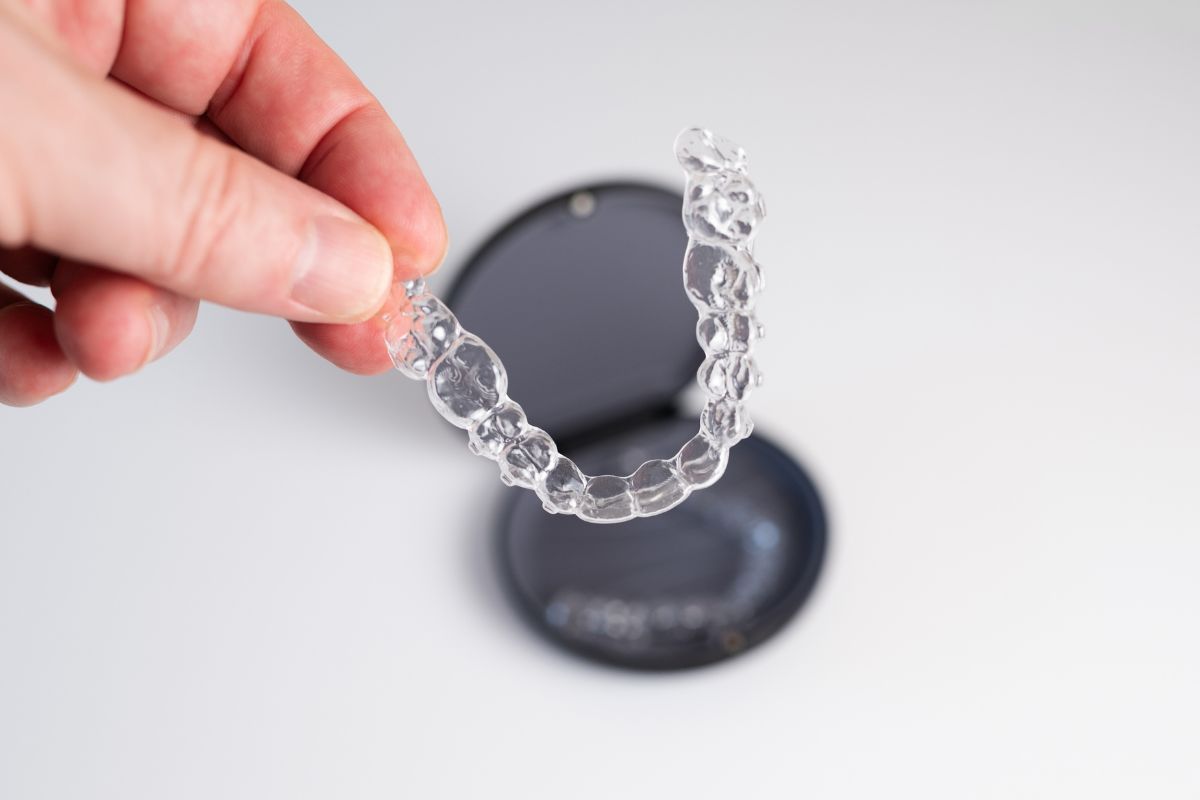
Clear aligners have made it easier than ever to straighten teeth without the look of traditional braces. But like any dental appliance, they need proper care—and sometimes, they may need to be repaired or replaced along the way. At Pro Smile Dental Care, we help patients stay on track with comfortable and effective treatment.
If you’re using invisalign aligners, it’s important to recognize when something isn’t quite right. Catching small issues early can help keep your treatment on track and prevent delays in your progress.
Why Aligner Condition Matters?
Your aligners are designed to apply gentle, consistent pressure to move your teeth step by step. When they’re damaged or not fitting properly, they may not work as intended.
Wearing compromised aligners can:
- Slow down your progress
- Cause discomfort
- Affect how your teeth shift over time
That’s why paying attention to changes in your aligners is essential. Here are some common signs that your aligners may need attention:
1. Cracks or Visible Damage
One of the most obvious signs is physical damage. Small cracks may seem harmless, but they can weaken the structure of your aligners.
You might notice:
- Hairline fractures
- Chips along the edges
- A split in the plastic
If your aligners are damaged, they may not apply even pressure to your teeth, which can affect your results.
2. Poor Fit or Looseness
Aligners should fit snugly against your teeth. If they suddenly feel loose or don’t sit properly, it could be a sign of wear or distortion.
A poor fit may happen due to:
- Extended use beyond the recommended time
- Exposure to heat (which can warp the plastic)
- Natural wear and tear
When aligners don’t fit correctly, they may stop guiding your teeth as planned.
3. Discomfort That Feels Different
It’s normal to feel slight pressure when starting a new set of aligners. However, unusual or sharp discomfort could mean something is wrong.
Watch for:
- Pain in specific areas
- Irritation from rough edges
- A sudden change in how the aligners feel
This could indicate damage or improper alignment.
4. Staining or Cloudiness
Over time, aligners can become discolored or cloudy, especially if they’re not cleaned properly.
While some staining is normal, excessive discoloration may:
- Affect the appearance of your smile
- Signal buildup of bacteria
- Reduce the overall quality of the aligners
If your aligners look noticeably worn, it may be time to replace them.
5. Lingering Odor
A persistent odor, even after cleaning, can be a sign that your aligners are no longer in good condition.
This can happen when:
- Bacteria build up over time
- The material starts to break down
- Cleaning routines aren’t effective enough
In such cases, switching to a new set is often the best solution.
6. Lost or Missing Aligners
Misplacing your aligners can interrupt your treatment progress. If you lose a set, it’s important to act quickly.
Your dentist may recommend:
- Moving to the next set (if appropriate)
- Using a previous set temporarily
- Getting a replacement aligner
Avoid going without aligners for too long, as your teeth may begin to shift back.
What Should You Do If You Notice These Signs?
If you experience any of these issues, don’t ignore them. Addressing problems early can help prevent bigger setbacks.
Your best next step is to seek professional guidance. If something doesn’t feel right, it’s always better to get expert advice before continuing with your current aligners.
Don’t Wait! Get the Care Your Teeth Need Today!
Issues with your aligners can happen when you least expect them, and ignoring the signs may delay your progress. Staying alert to changes and taking quick action can help keep your treatment moving in the right direction. If you’re in San Ramon, CA, or nearby areas and notice any problems with your aligners, our team is here to provide timely guidance and support.
For reliable support with your aligners, don’t hesitate to contact us. Book your appointment whenever you need assistance—we’re here to help you stay on track throughout your treatment.
FAQs
1. How do I know if my Invisalign aligners are damaged?
You may notice visible cracks, chips, or rough edges on your aligners. If they feel uncomfortable or don’t fit properly anymore, it could be a sign that they are damaged and not working as intended.
2. Can I continue wearing my aligners if they feel loose?
If your aligners feel slightly loose near the end of their wear cycle, it may be normal. However, if they suddenly don’t fit well or shift around, it’s best to have them checked to ensure your treatment stays on track.
3. What should I do if I lose my aligners?
If you lose your aligners, act quickly. Depending on your situation, you may need to wear your previous set or move to the next one. Getting guidance early can help prevent your teeth from shifting back.
4. Why do my aligners smell bad even after cleaning?
A lingering odor may be caused by bacterial buildup or wear over time. If regular cleaning doesn’t help, it could mean your aligners need to be replaced.