
Getting dental implants is a major investment in your smile, your confidence, and your overall oral health. But the work doesn’t end once the implant is placed. Knowing how to care for dental implants properly is what determines whether they last a lifetime or run into trouble years down the road.
The good news? Caring for dental implants isn’t complicated. With a few consistent habits and regular checkups, your implants can function and look just like natural teeth for decades. Below, we’ll walk through everything you need to know to protect your investment.
Why Proper Implant Care Matters
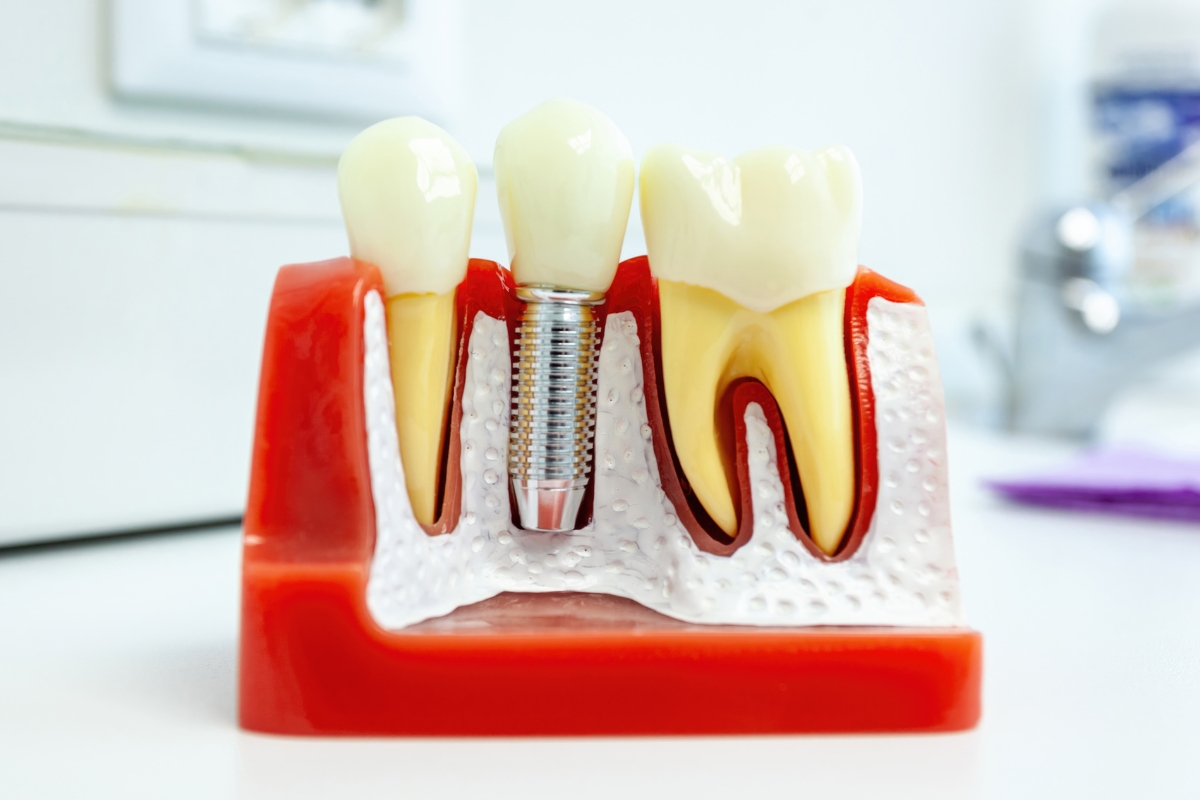
Dental implants are designed to be durable, but they aren’t entirely maintenance-free. The titanium post fuses with your jawbone, while the surrounding gum tissue and crown still need daily attention.
Without consistent care, patients can develop a condition called peri-implantitis—an infection of the gum and bone around the implant. Left untreated, it can lead to implant failure. This is why learning how to care for dental implants the right way from day one is so important.
Daily Habits to Care for Dental Implants
Brush Twice a Day, the Right Way
Brush your implant just as you would a natural tooth, using a soft-bristled or electric toothbrush. Angle the bristles gently along the gumline to remove plaque without irritating the tissue.
Avoid abrasive toothpaste with baking soda or harsh whitening agents, as these can scratch the implant crown’s surface over time.
Floss Daily Around the Implant
Plaque buildup around the base of an implant is one of the leading causes of complications. Use:
- Unwaxed or implant-specific floss
- A water flosser for hard-to-reach areas
- Interdental brushes for wider gaps
Flossing daily helps prevent the bacterial buildup that leads to gum inflammation.
Use an Antimicrobial Mouthwash
Rinsing with an alcohol-free antimicrobial mouthwash can reduce bacteria around the implant site and support healthier gum tissue. Ask your dentist which formula is best suited to your needs.
Lifestyle Choices That Support Implant Longevity
Avoid Smoking and Tobacco Products
Smoking significantly increases the risk of implant failure by slowing healing and reducing blood flow to the gums. If you’re serious about long-term implant success, quitting tobacco is one of the most impactful steps you can take.
Watch What You Chew
While implants are strong, they aren’t indestructible. To protect your restoration:
- Avoid chewing ice, hard candy, or popcorn kernels
- Be cautious with very sticky or chewy foods
- Don’t use your teeth to open packages
Manage Teeth Grinding
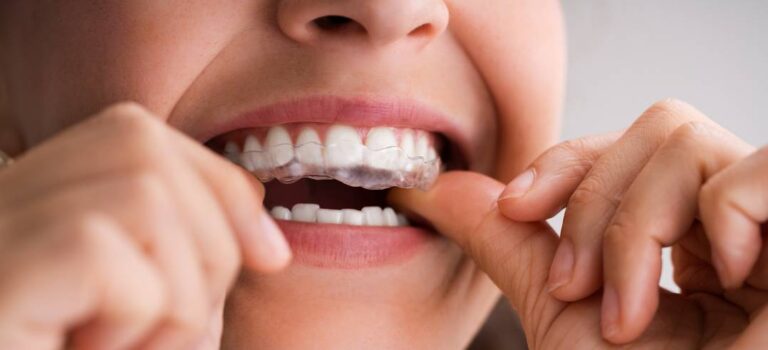
If you grind your teeth at night, the excess pressure can damage both natural teeth and implant crowns. A custom nightguard from your dentist can protect your investment while you sleep.
Professional Maintenance: The Other Half of the Equation
Schedule Regular Dental Checkups
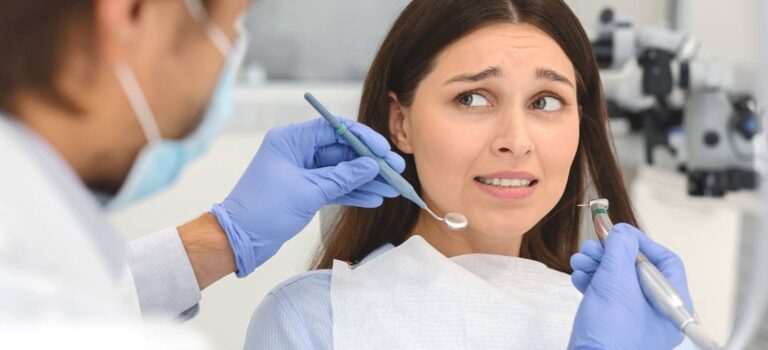
Even with excellent home care, professional cleanings are essential to fully care for dental implants. Your dentist can spot early signs of gum irritation, bone loss, or loosening that aren’t visible to the naked eye.
Most dentists recommend checkups every six months, though some patients may need more frequent visits depending on their oral health history.
Professional Cleanings Matter
Dental hygienists use specialized tools designed specifically for implants, which won’t scratch the surface the way standard metal instruments might. These cleanings remove tartar buildup that brushing and flossing alone can’t fully eliminate.
Monitor for Warning Signs
Contact your dental provider promptly if you notice:
- Swelling, redness, or bleeding around the implant
- Persistent bad breath or unusual taste
- Looseness or shifting of the implant crown
- Pain or discomfort that doesn’t subside
Catching issues early dramatically improves the chances of a simple, successful fix.
How Long Do Dental Implants Really Last?
With proper care, the implant post itself can last 20 years or longer—often a lifetime. The crown on top typically lasts 10 to 15 years before it may need replacement due to normal wear. Consistent oral hygiene and routine dental visits are the biggest factors influencing this lifespan.
Common Questions Patients Ask About Implant Care
Do dental implants need special toothpaste?
Can I still get cavities with a dental implant?
Is it normal for my implant to feel slightly different from my natural teeth?
How soon after placement can I resume normal brushing?
What happens if I don’t take care of my implant?
Will insurance cover follow-up care for implants?
Protect Your Smile for Years to Come
Learning how to care for dental implants properly is one of the best things you can do to protect your oral health investment. With consistent brushing, flossing, smart lifestyle choices, and regular professional checkups, your implants can serve you well for decades.
If it’s been a while since your last checkup, or if you have questions about your implant care routine, the team at Pro Smile Dental Care in San Ramon, CA 94583 is here to help. Schedule your appointment today and let us help you keep your smile healthy, confident, and built to last.