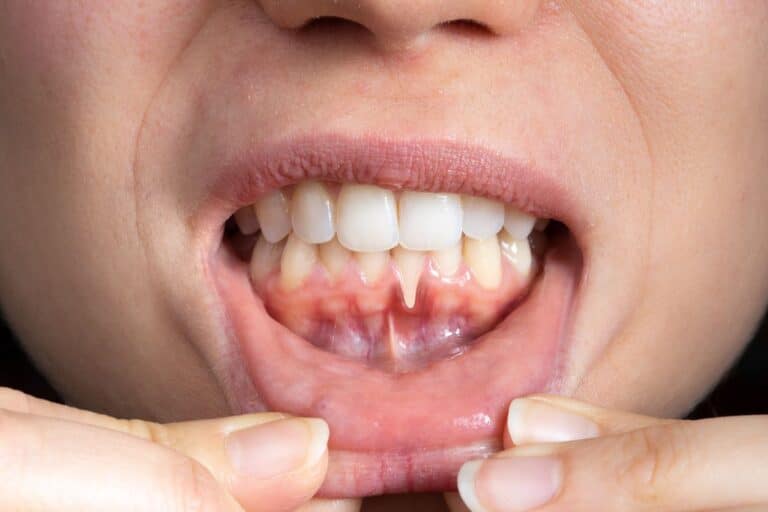


There are few things as disruptive to your daily life as oral discomfort. If you have noticed tenderness, redness, or swelling in the back of your mouth, it is easy to feel uneasy. Often, this irritation occurs around the wisdom teeth, those stubborn third molars that seem to cause trouble for so many adults.
At Pro Smile Dental Care, we frequently hear from patients who are worried about localized swelling. While it is natural to feel concerned, understanding why this happens and what you can do about it is the first step toward feeling better. As your trusted dentist in San Ramon, we are here to walk you through the causes, immediate care steps, and when it is time to seek professional intervention.
Why Do Gums Swell Near Wisdom Teeth?
To treat the problem effectively, we first have to understand the “why.” Wisdom teeth, or third molars, are the last teeth to emerge, typically appearing in the late teens or early twenties. Because they are located at the very back of the jaw, they are often difficult to reach with a toothbrush or floss.
When a wisdom tooth is “impacted”, meaning it doesn’t have enough room to fully break through the gum, it can create a flap of gum tissue known as an operculum. Bacteria and food particles easily get trapped under this flap, leading to a condition called pericoronitis. This inflammation is the most common culprit behind that painful, swollen sensation.
Immediate Steps for Managing Swollen Gums at Home
If you are experiencing mild discomfort, there are several gentle ways to manage the symptoms before you can visit our dental office. Remember, these methods provide temporary relief; they do not cure the underlying infection.
1. Saltwater Rinses
This is the “gold standard” for oral inflammation. Mix about half a teaspoon of salt into a cup of warm water. Gently swish the solution in your mouth for 30 seconds and spit it out. The salt helps draw out fluids from the swollen tissue and can inhibit bacterial growth.
2. Maintain Gentle Oral Hygiene
It is tempting to avoid brushing the area because it hurts, but leaving food debris there will only make the swelling worse. Use a soft-bristled toothbrush to gently clean the area. If you can manage it, use an oral irrigator or a specialized brush to carefully remove any food particles trapped under the gum flap.
3. Use a Cold Compress
If the swelling is noticeable on the outside of your cheek, apply a cold compress or an ice pack wrapped in a cloth to the area for 15 minutes at a time. This helps reduce inflammation and numbs the area, providing some relief from the throbbing sensation.
4. Over-the-Counter Relief
Non-steroidal anti-inflammatory drugs (NSAIDs), such as ibuprofen, can help manage both the pain and the swelling associated with gum inflammation. Always follow the dosage instructions on the bottle and consult with your physician if you have any health conditions.
When to See a Dentist for Swollen Gums
While home care is helpful, it is vital to remember that persistent swelling, especially around wisdom teeth, usually requires a professional touch. You should reach out to a dentist for swollen gums if you notice any of the following “red flag” symptoms:
- Fever or chills: This can indicate that an infection is spreading.
- Difficulty opening your mouth or swallowing: This may signal a more severe infection that requires immediate attention.
- Persistent bad taste or discharge: This often indicates an abscess or trapped pus.
- Swelling that spreads to your neck or cheek: This is a sign that the infection is moving beyond the immediate tooth area.
At Pro Smile Dental Care, we prioritize your comfort and safety. If you are experiencing these symptoms, do not “wait and see.” Delaying care can lead to more significant issues down the road.
Professional Dental Care at Pro Smile Dental Care
When you come to our office, we don’t just look at the swelling; we look at the whole picture. We utilize advanced technology, including 3D X-rays, to get a clear view of your wisdom teeth. This allows us to see exactly how they are positioned and whether they are affecting your neighboring teeth.
Whether you need a professional cleaning to remove trapped debris, antibiotic treatment for an infection, or a recommendation for a wisdom tooth extraction, our team is committed to providing dental care that is both effective and compassionate. We understand that dental anxiety is real, and we do everything in our power, from sedation options to a relaxing atmosphere, to ensure you feel safe in our chair.
Ready to Get Your Smile Back?
You don’t have to live with the pain and worry of swollen gums. If you are experiencing discomfort, we are here to help. Our dental office is conveniently located to serve the San Ramon community and surrounding areas.
Take charge of your oral health today. Book an appointment at Pro Smile Dental Care, and let us help you find the relief you deserve. You can reach us at 925-302-9981 or online. We look forward to helping you keep your smile bright, healthy, and pain-free!
Frequently Asked Questions
1. Can swollen gums near my wisdom tooth go away on their own?
Sometimes, mild inflammation caused by a small amount of trapped food can resolve with good oral hygiene and saltwater rinses. However, if the cause is an impacted tooth or a recurring gum flap issue, the swelling is likely to return until the root cause is addressed.
2. Is it safe to use numbing gels?
Over-the-counter numbing gels containing benzocaine can provide temporary pain relief. However, they do not treat the infection. Use them sparingly and focus on keeping the area clean.
3. Will I definitely need my wisdom teeth removed?
Not necessarily. It depends on whether the teeth are positioned correctly, how much room you have in your jaw, and the frequency of your symptoms. During your exam, we will discuss whether extraction is the best long-term solution for your oral health.
4. How can I prevent pericoronitis in the future?
Consistent daily brushing and flossing are key. Because wisdom teeth are hard to reach, we may recommend specific techniques or tools to ensure you are effectively cleaning the area behind your second molars.