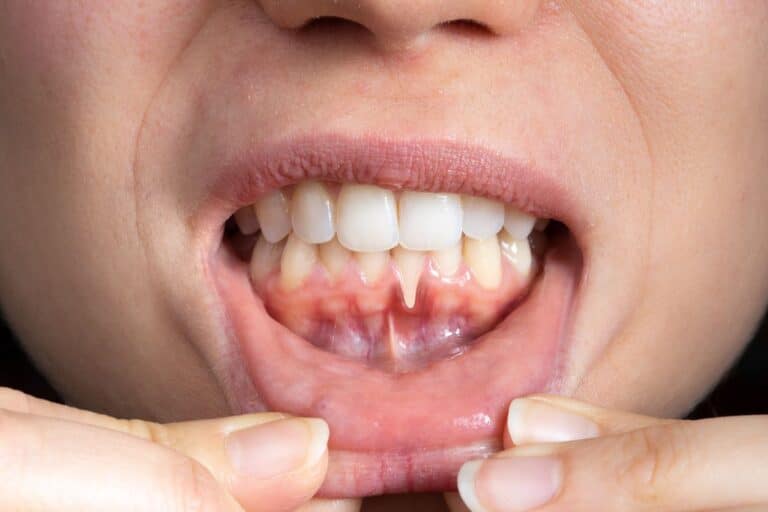


There is a unique kind of dread that sets in when the sun goes down, the house goes quiet, and a sharp, relentless throbbing starts pulsing deep inside your tooth. Dental pain has a frustrating habit of worsening at night, turning what should be a peaceful time of rest into an agonizing waiting game until morning.
If you are currently reading this in the dark with a cold compress pressed against your cheek, take a deep breath. You are not alone, and while nothing replaces professional treatment, there are safe, effective steps you can take right now to find temporary relief.
As your local partner in health, the team at Pro Smile Dental Care is here to walk you through what is happening, how to manage the discomfort safely, and why seeing a professional is crucial. Let’s look at why nighttime toothaches hit so hard and what you can do to get through the night.
Why Do Toothaches Always Feel Worse at Night?
Have you ever wondered why dental pain seems to dial up its intensity the moment you lie down? It is not just your imagination.
When you lie flat on your bed, gravity causes blood to rush toward your head. This increased blood flow exerts extra pressure on the sensitive nerves inside your tooth, amplifying that throbbing sensation. Furthermore, during the day, your brain is constantly distracted by work, chores, conversations, and the general hustle and bustle of life. At night, with fewer distractions, your nervous system zeroes in on the pain, making every pulse feel sharper and more magnified.
Immediate Home Remedies for Nighttime Tooth Pain
While you wait to contact a professional dentist, these tried-and-true home remedies can help reduce inflammation and dull the ache so you can get some much-needed rest.
1. Elevate Your Head
Combat the effects of gravity by propping your head up with an extra pillow or two. Keeping your head elevated above the level of your heart reduces the pooling of blood in the head and can significantly decrease the throbbing pressure inside the tooth.
2. Apply a Cold Compress
Wrap an ice pack (or a bag of frozen vegetables wrapped in a clean towel) and hold it against your cheek near the painful area for 15 to 20 minutes at a time. The cold temperature helps constrict blood vessels, which reduces swelling, numbs the area, and dulls sharp pain. Never place raw ice directly against your skin or gums, as it can cause tissue damage.
3. Rinse with Warm Salt Water
A classic saltwater rinse acts as a natural disinfectant and helps reduce inflammation. Mix half a teaspoon of salt into a glass of warm water, swish it gently around your mouth for about 30 seconds, and spit it out. This can help clear away debris trapped around the tooth and soothe irritated gum tissue.
4. Try Clove Oil (Natural Relief)
Clove oil contains eugenol, a natural anesthetic and antibacterial compound that has been used for centuries to soothe dental discomfort. Dab a tiny amount of clove oil onto a clean cotton ball and gently apply it to the aching tooth and surrounding gums. Note: Use sparingly and avoid swallowing pure essential oils.
5. Over-the-Counter Pain Relievers
If appropriate for your health history, over-the-counter pain relievers such as ibuprofen can help reduce the inflammation causing the throbbing sensation. Always follow the dosage instructions on the package. Crucial tip: Never place aspirin directly against the gum tissue next to the tooth; contrary to old wives’ tales, this does not relieve pain faster and can actually cause a painful chemical burn on your delicate gums.
When Is a Toothache a Dental Emergency?
While most toothaches demand prompt attention, certain symptoms indicate a severe dental emergency that requires immediate or emergency medical intervention. Watch out for these red flags:
- Severe swelling in your face, jaw, or neck.
- Fever or chills, which can signal a spreading bacterial infection (abscess).
- Difficulty breathing or swallowing.
- A foul taste in your mouth accompanied by sudden, foul-smelling pus oozing from around the tooth.
- Pain resulting from a traumatic injury or a knocked-out tooth.
If you experience any of these systemic symptoms, do not wait until morning, seek emergency medical or dental care right away.
What to Expect When You See a Professional
When morning arrives, your top priority should be reaching out to a qualified dentist for pain relief. Ignoring a toothache rarely works out in the long run; dental issues like cavities, cracked teeth, or infected pulps will not heal on their own.
When you visit our dental office, our primary goal is to diagnose the root cause of your pain and provide immediate, long-lasting comfort. Depending on what we find, treatment may range from a simple filling for a newly discovered cavity to root canal therapy for an infected nerve, or a crown to restore a damaged tooth. Rest assured, modern dental care is designed to be gentle, efficient, and entirely focused on getting you back to living your life pain-free.
Take the Next Step Toward Relief
Enduring a sleepless night with a throbbing toothache is an exhausting experience, but you do not have to manage the aftermath alone. Relief is closer than you think, and getting ahead of the problem now will protect your overall health and save you from more complex treatments down the road.
If you are ready to put an end to the discomfort and restore your healthy smile, we are here to help. Book an appointment with Pro Smile Dental Care today, and let our compassionate team take exceptional care of you.
Frequently Asked Questions
Q: Can a severe toothache go away on its own?
A: Temporary pain might subside if a nerve dies, but the underlying problem (such as decay, a fracture, or an infection) will still be present and will likely return with greater intensity. It is always best to have a professional examine the tooth.
Q: Is it safe to use a heating pad on my jaw for a toothache?
A: No. While heat feels comforting for muscle stiffness, it can actually worsen inflammation and accelerate bacterial growth if an infection is present. Stick to cold compresses instead.
Q: What causes a throbbing pain specifically?
A: A throbbing pain usually indicates that the nerve inside the tooth is inflamed, irritated, or compressed—often due to deep decay, a failing filling, or an abscess pressing against the nerve endings.
Q: How can I prevent nighttime toothaches in the future?
A: Consistent oral hygiene is your best defense. Brush twice a day with fluoride toothpaste, floss daily, avoid sugary snacks right before bed, and visit your dental office for routine checkups and cleanings every six months.